The document provides an overview of Agile product management. It discusses the problems with traditional waterfall methodology, introduces Agile concepts like short iterations and frequent reassessment. It outlines Agile roles like product owner, scrum master, and product manager. It also discusses characteristics of effective product managers, including being customer-driven, responsible for product success, and having a positive reputation among coworkers. The document aims to educate others on fundamentals of Agile product management.
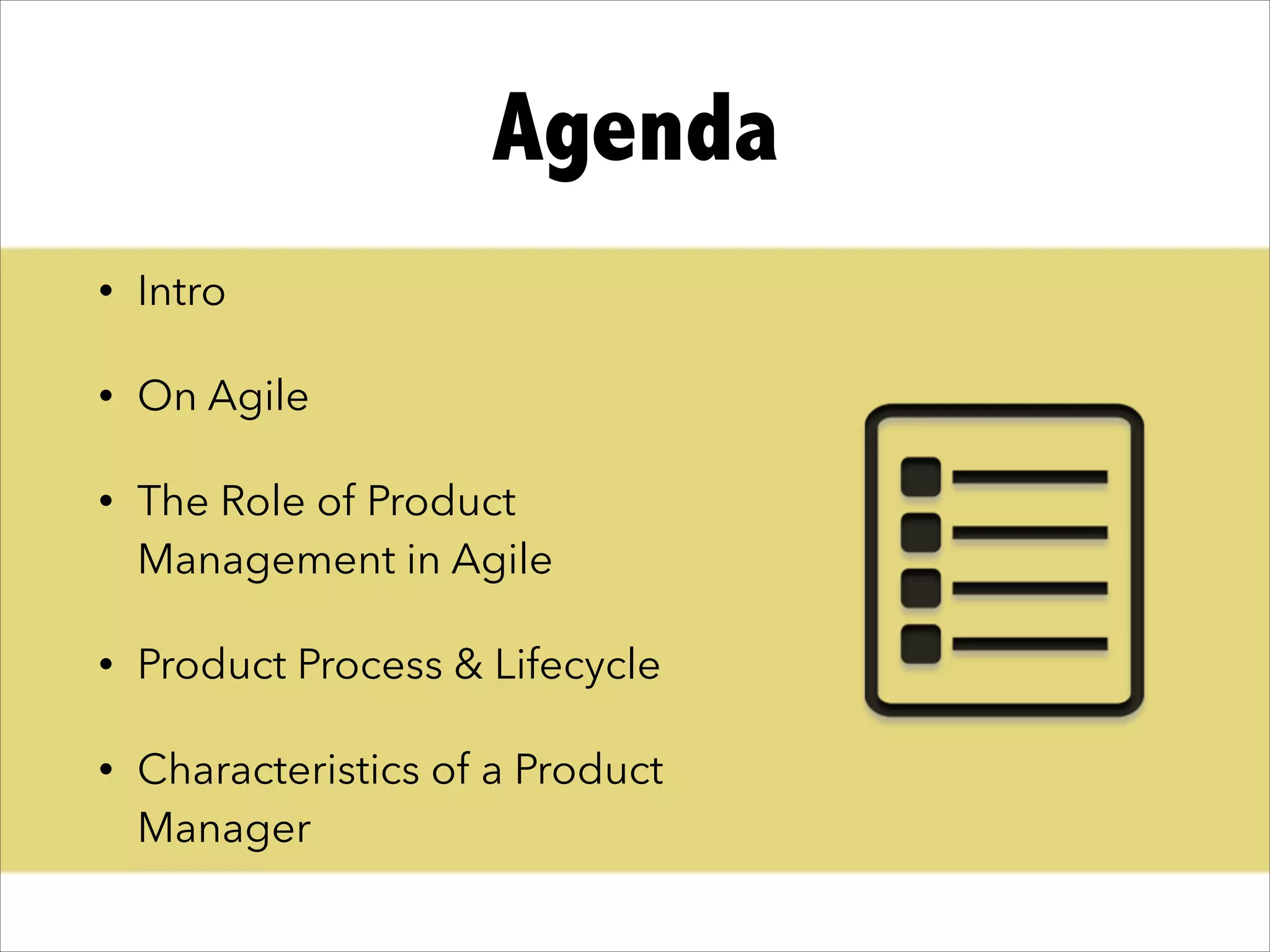
Overview by Ambreen Hussain introducing the fundamentals of Agile product management, including agenda topics like Agile principles and the role of product management.
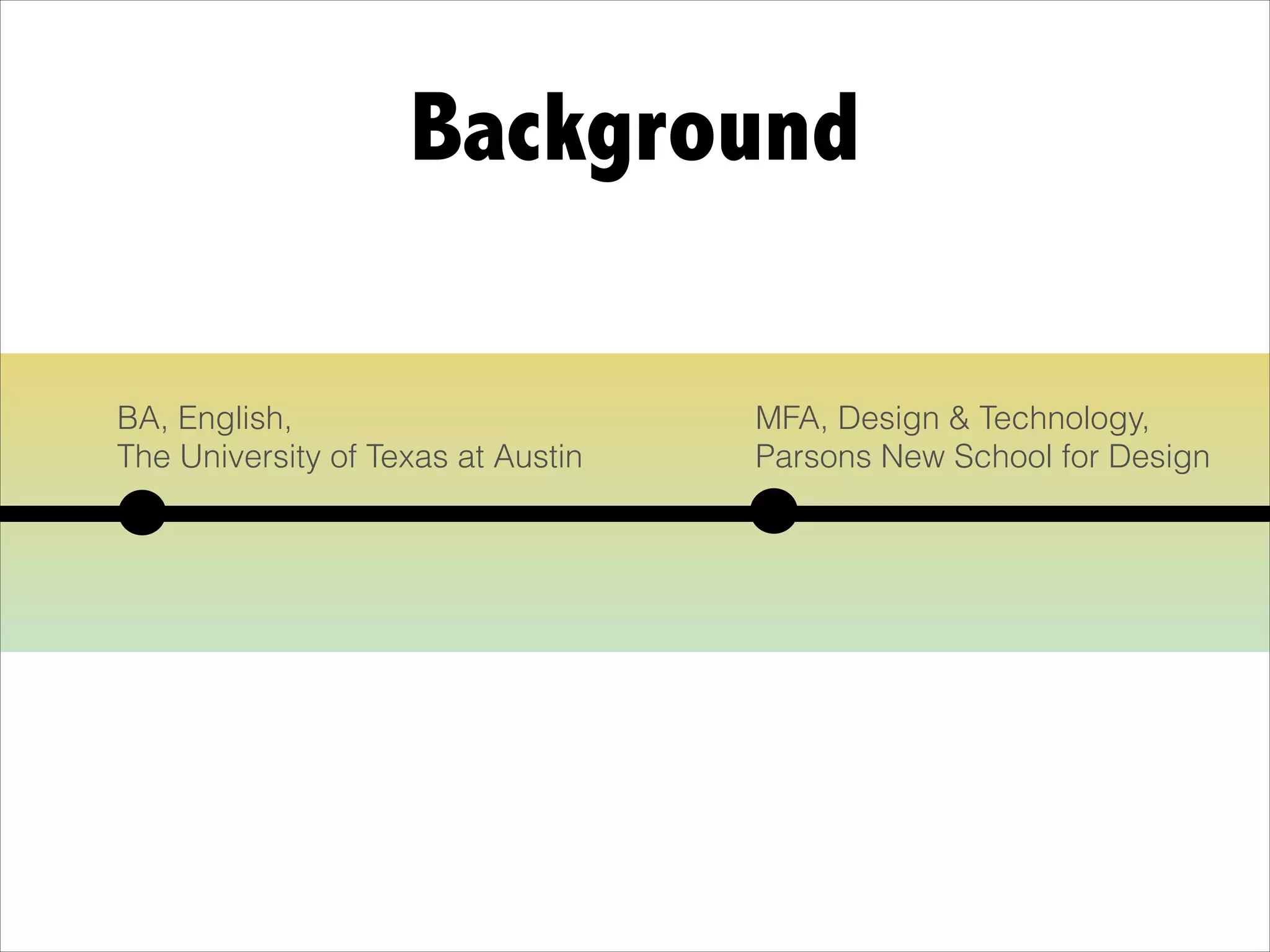
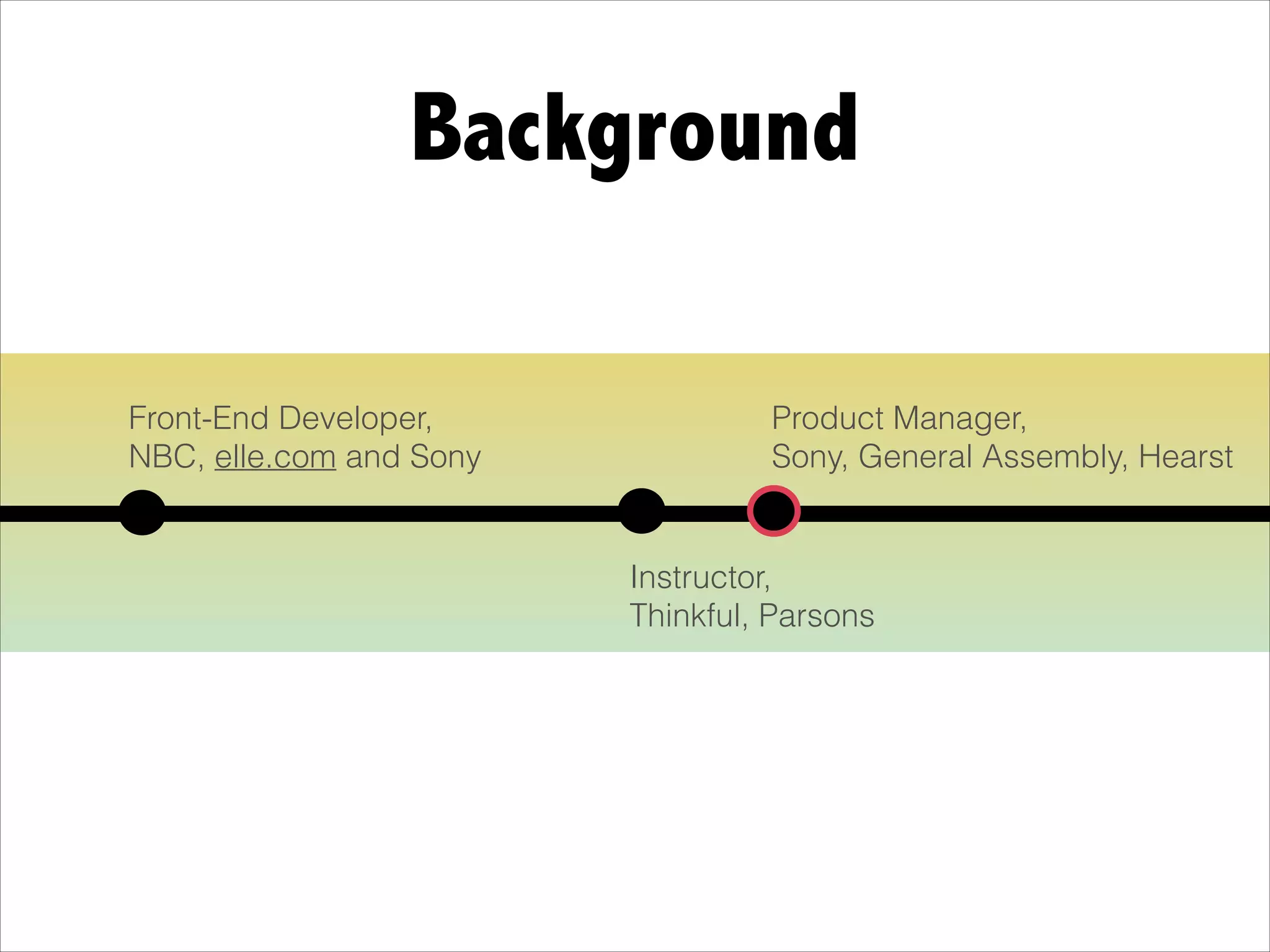
Ambreen Hussain's educational background in English and Design along with her professional history as a front-end developer and product manager.
Ambreen discusses her key motivations in product management, highlighting beautifully designed products, inspiring work environments, and problem-solving.
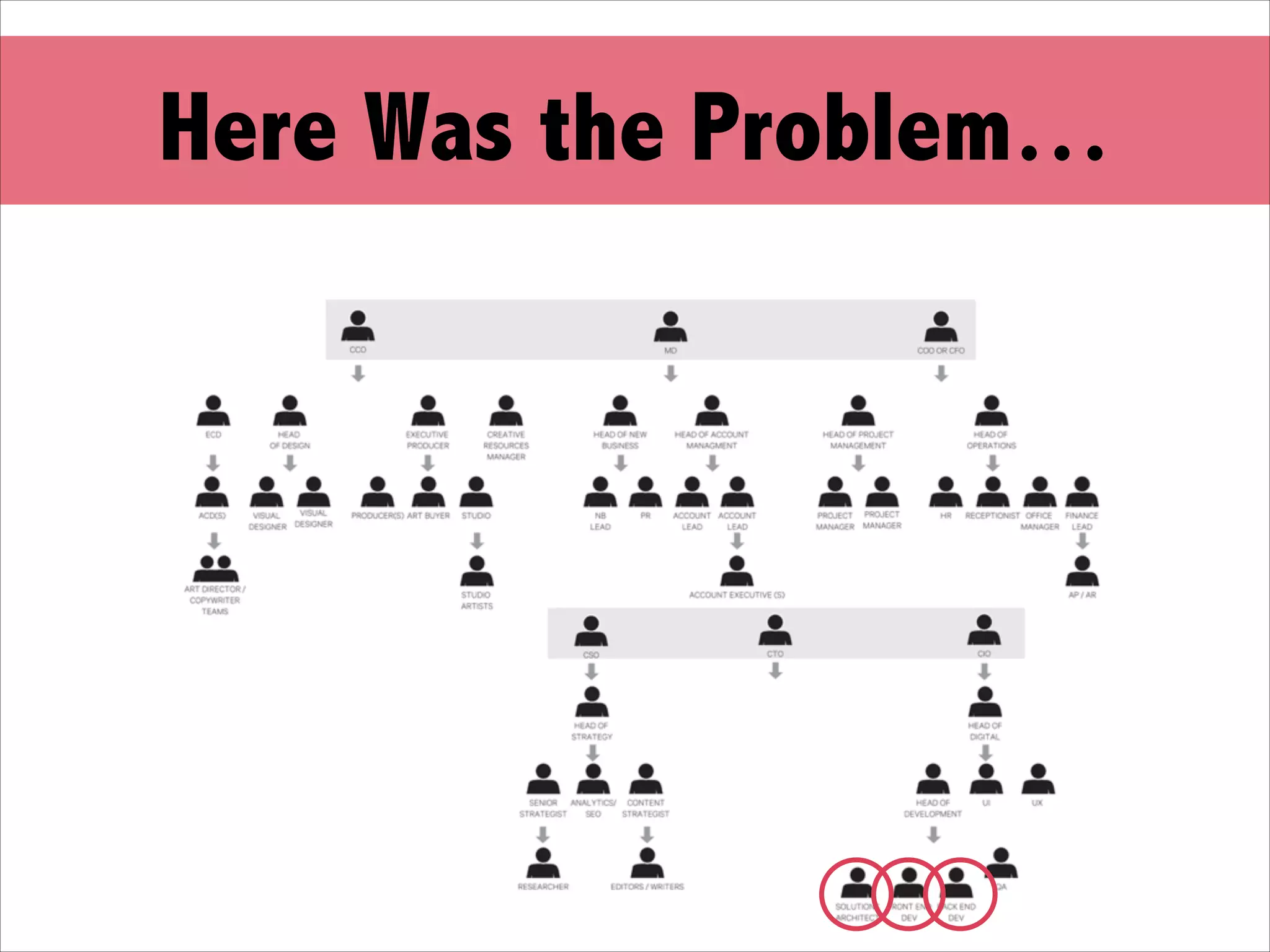
Introduction to Agile's appeal due to inefficiencies in traditional processes, leading to frustrations in development and the need for a streamlined approach.
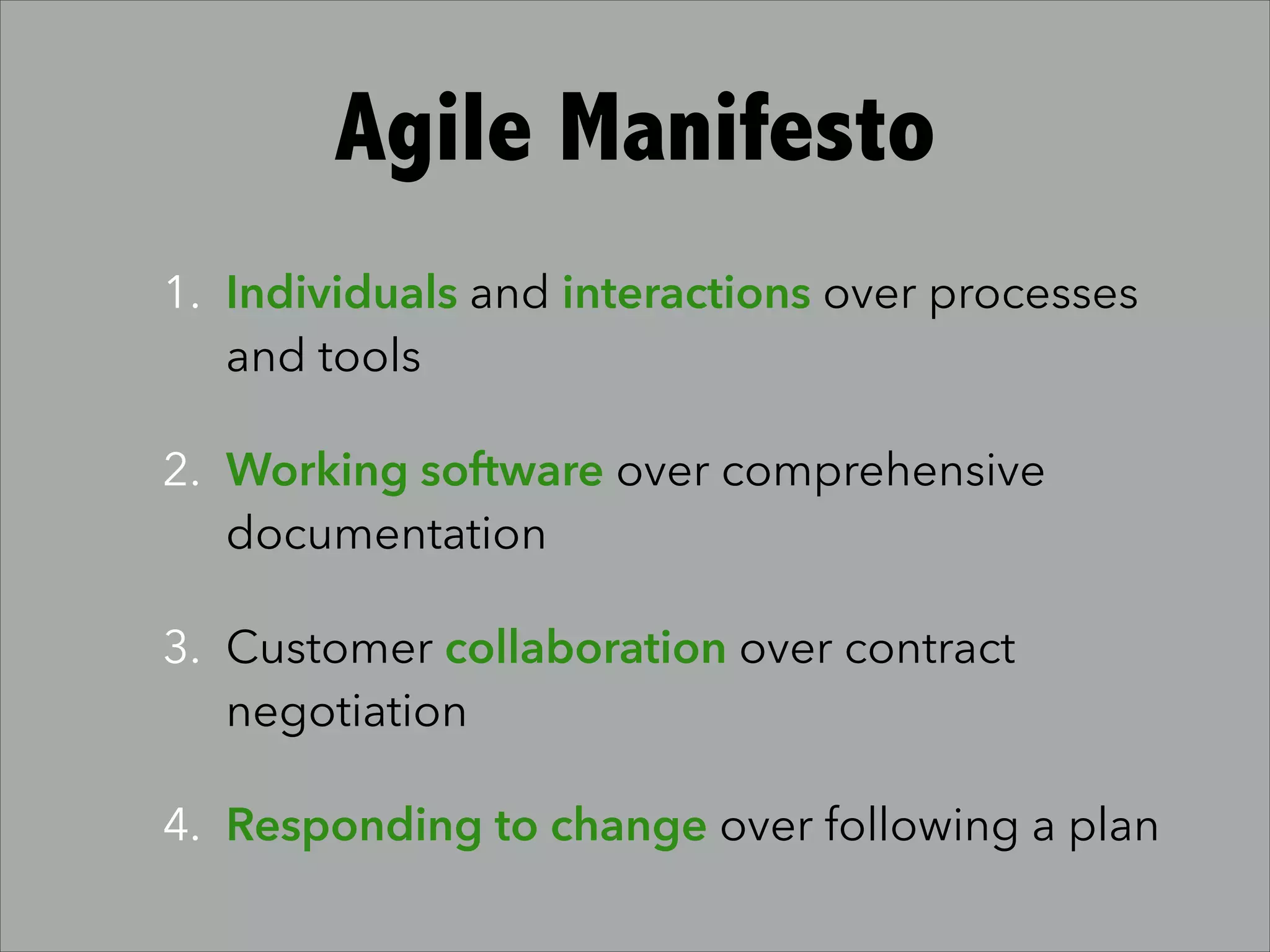
Core tenets of the Agile Manifesto emphasizing individuals and interactions, working software, collaboration, and adaptability.
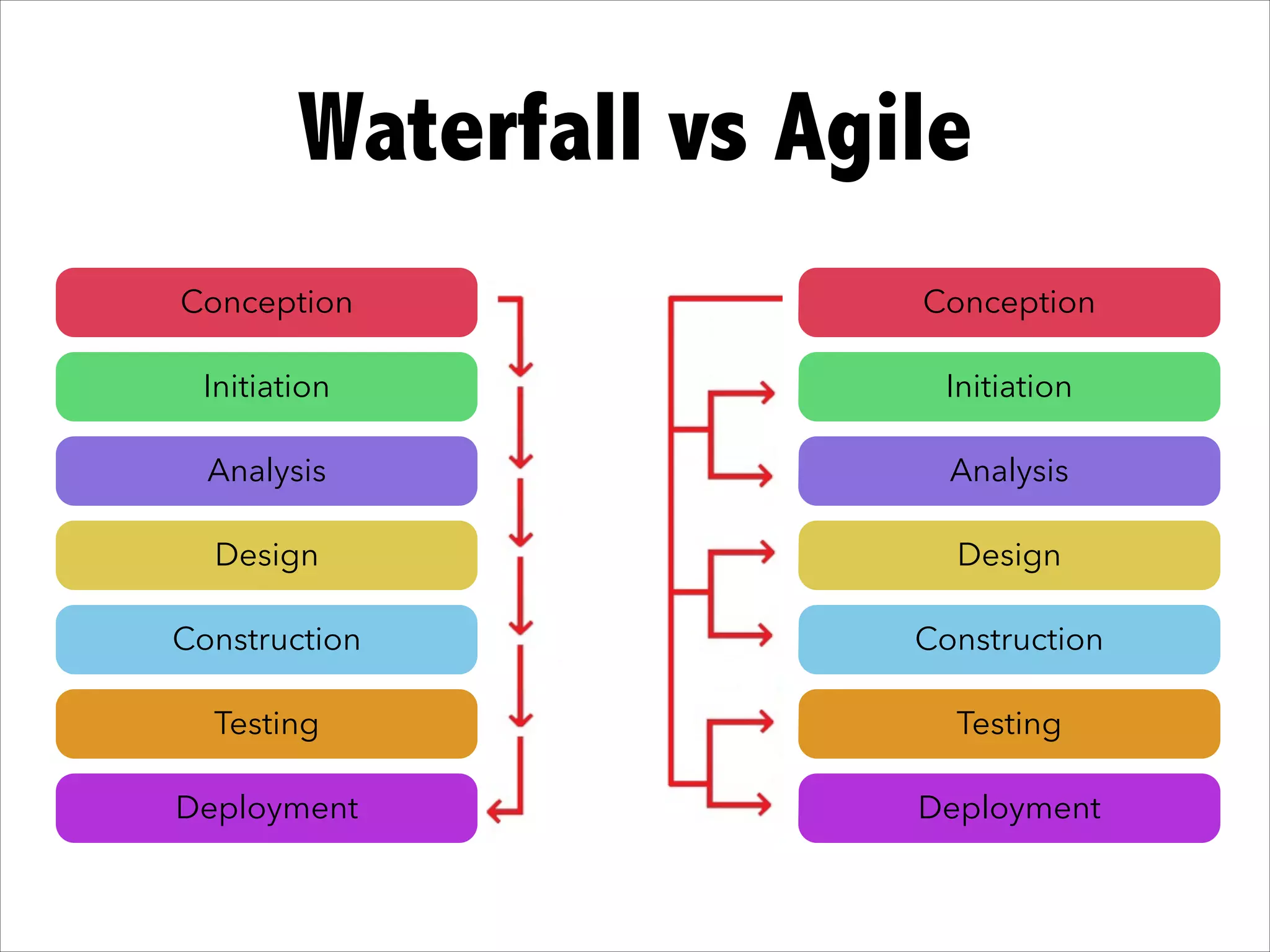
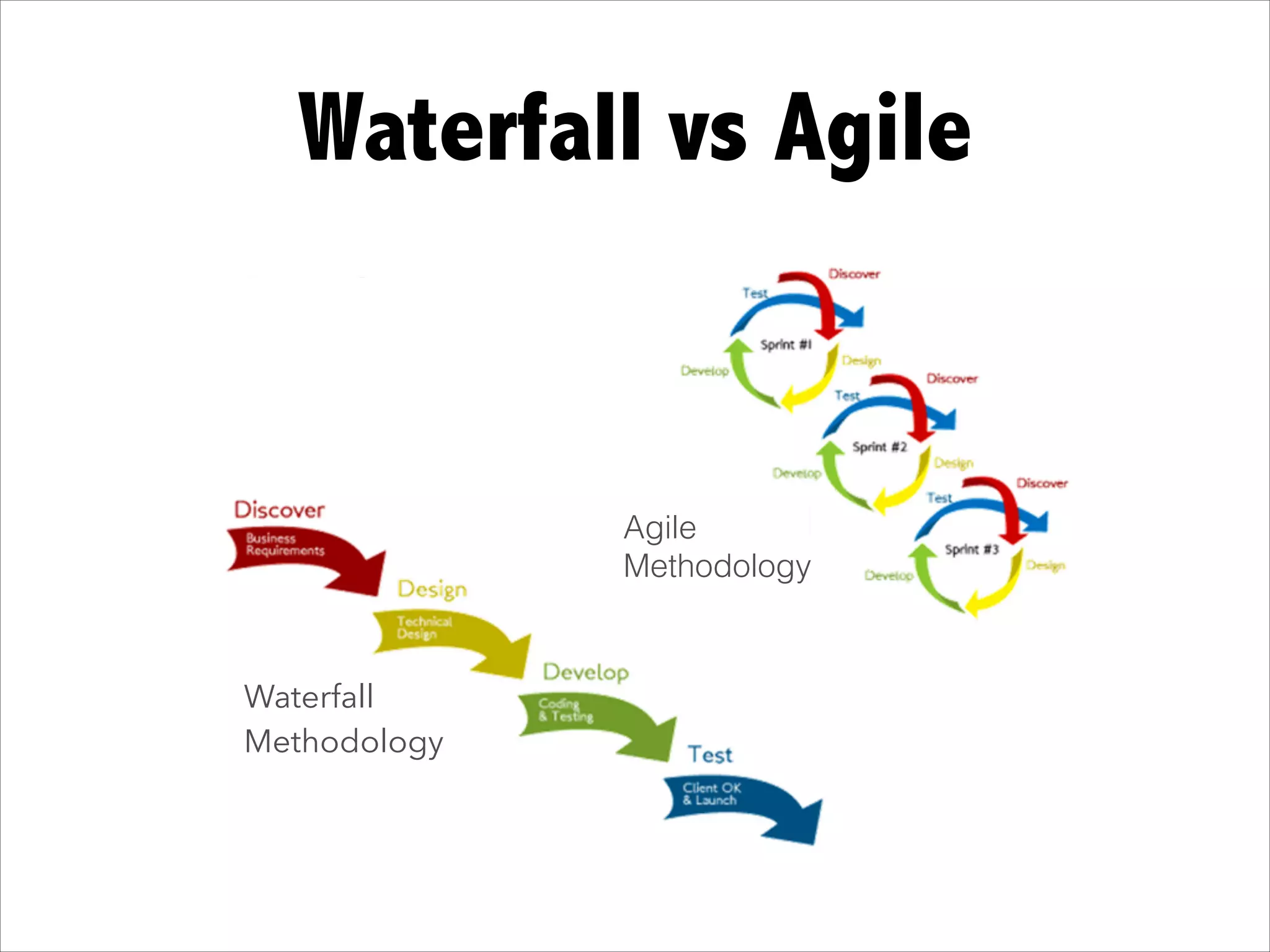
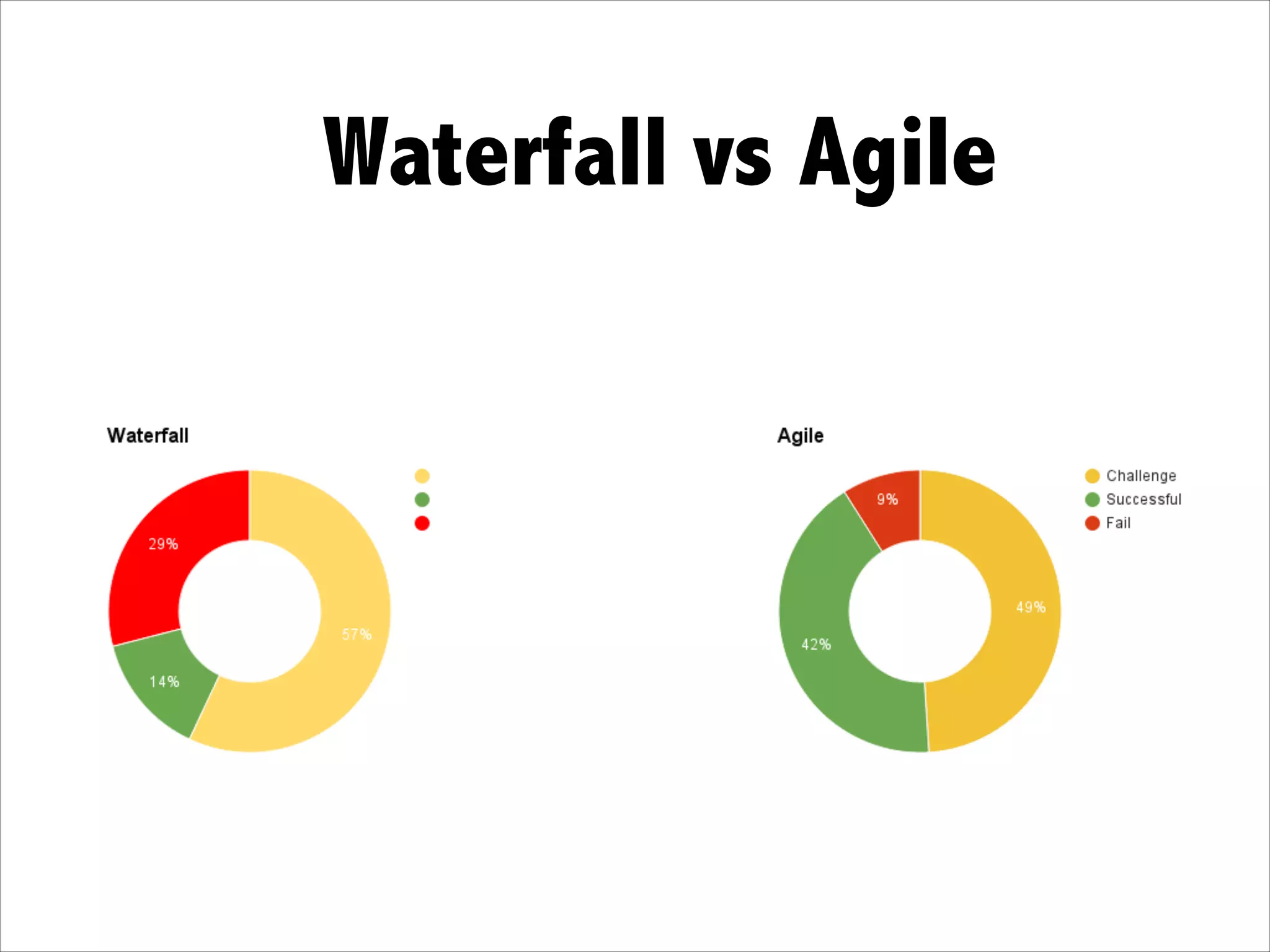
Comparison of Agile and Waterfall methodologies, illustrating differences in project phases and team dynamics.
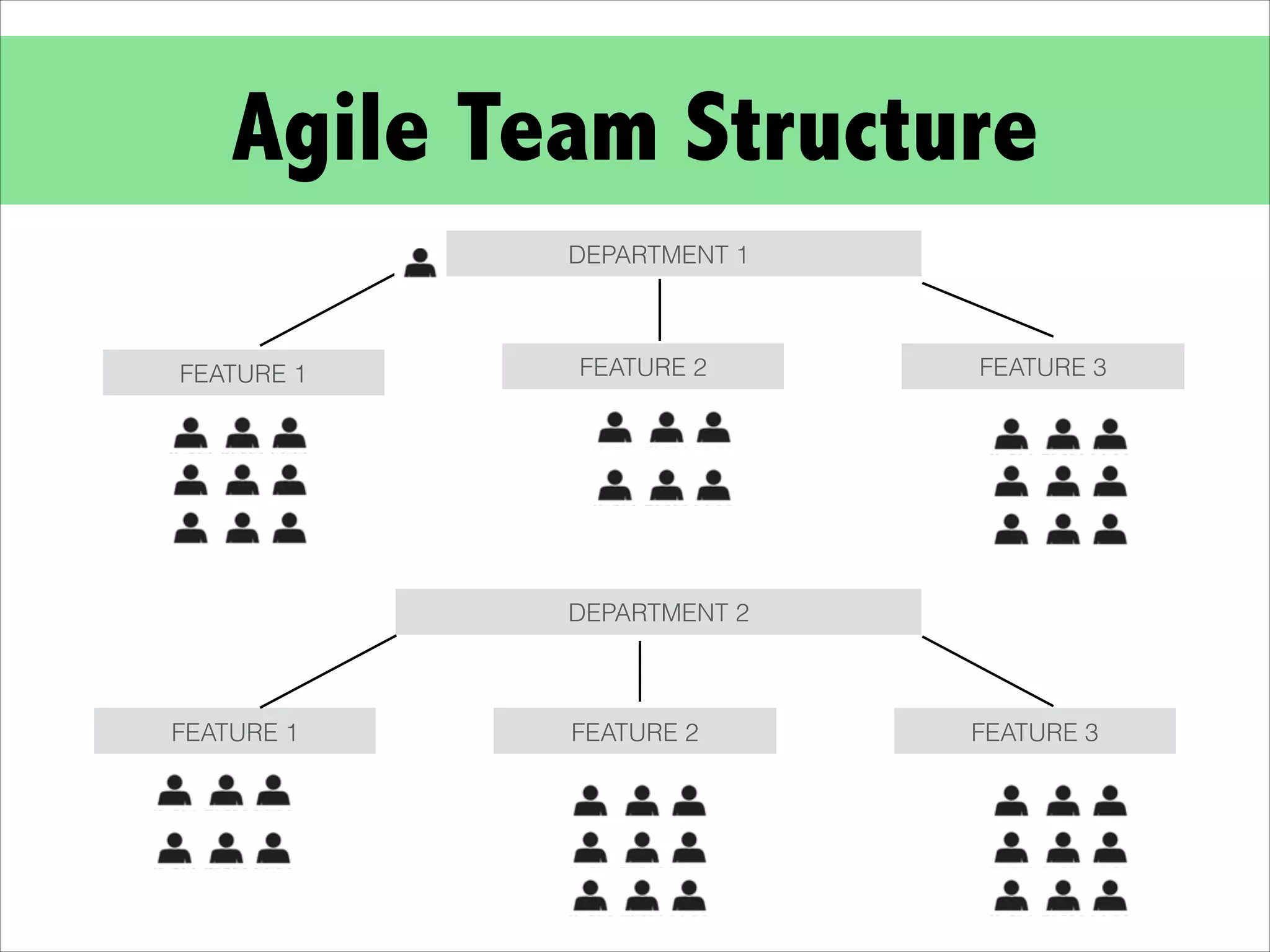
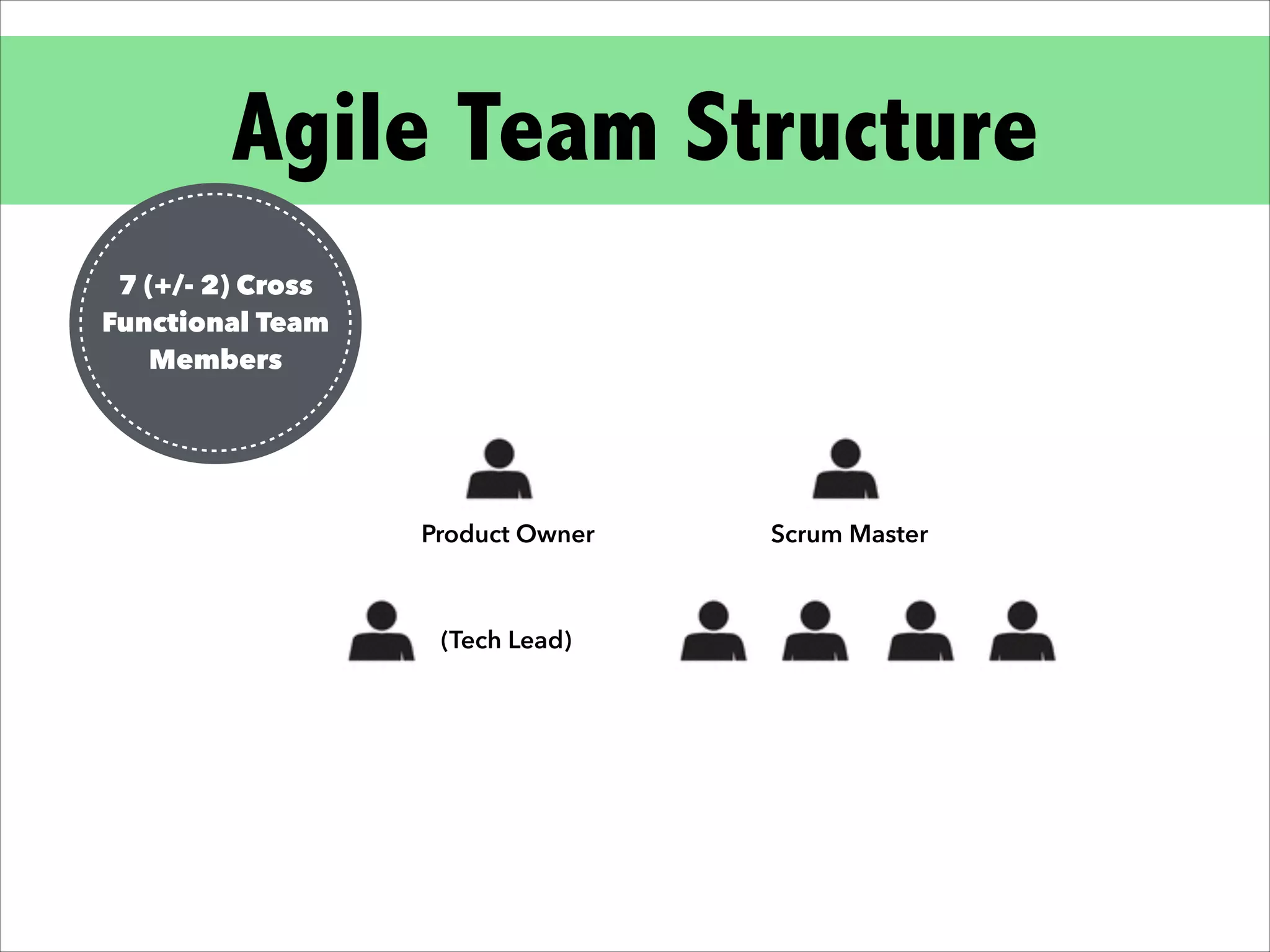
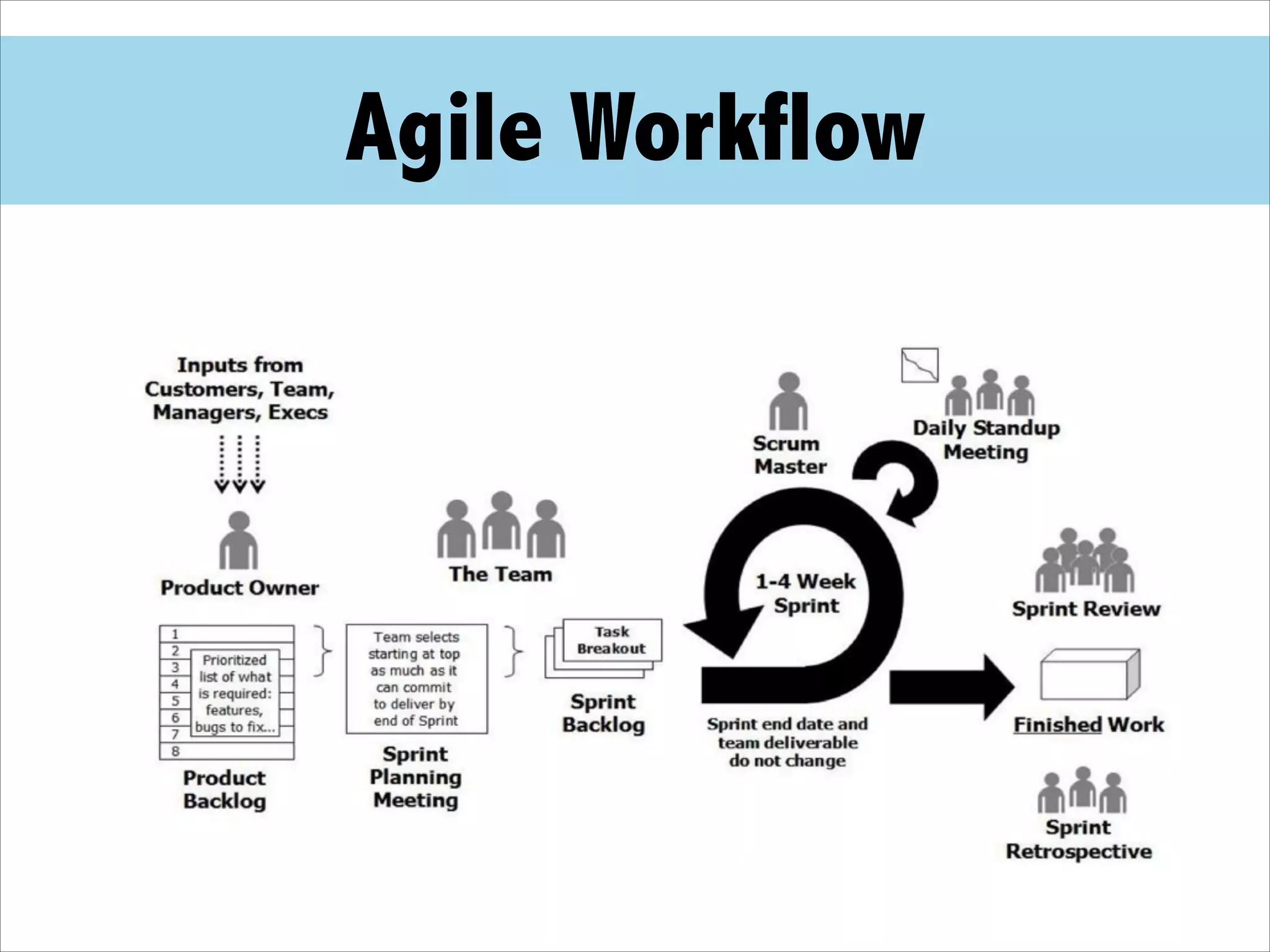
Outlines the composition of Agile teams, including roles like Product Owner and Scrum Master, emphasizing cross-functionality.
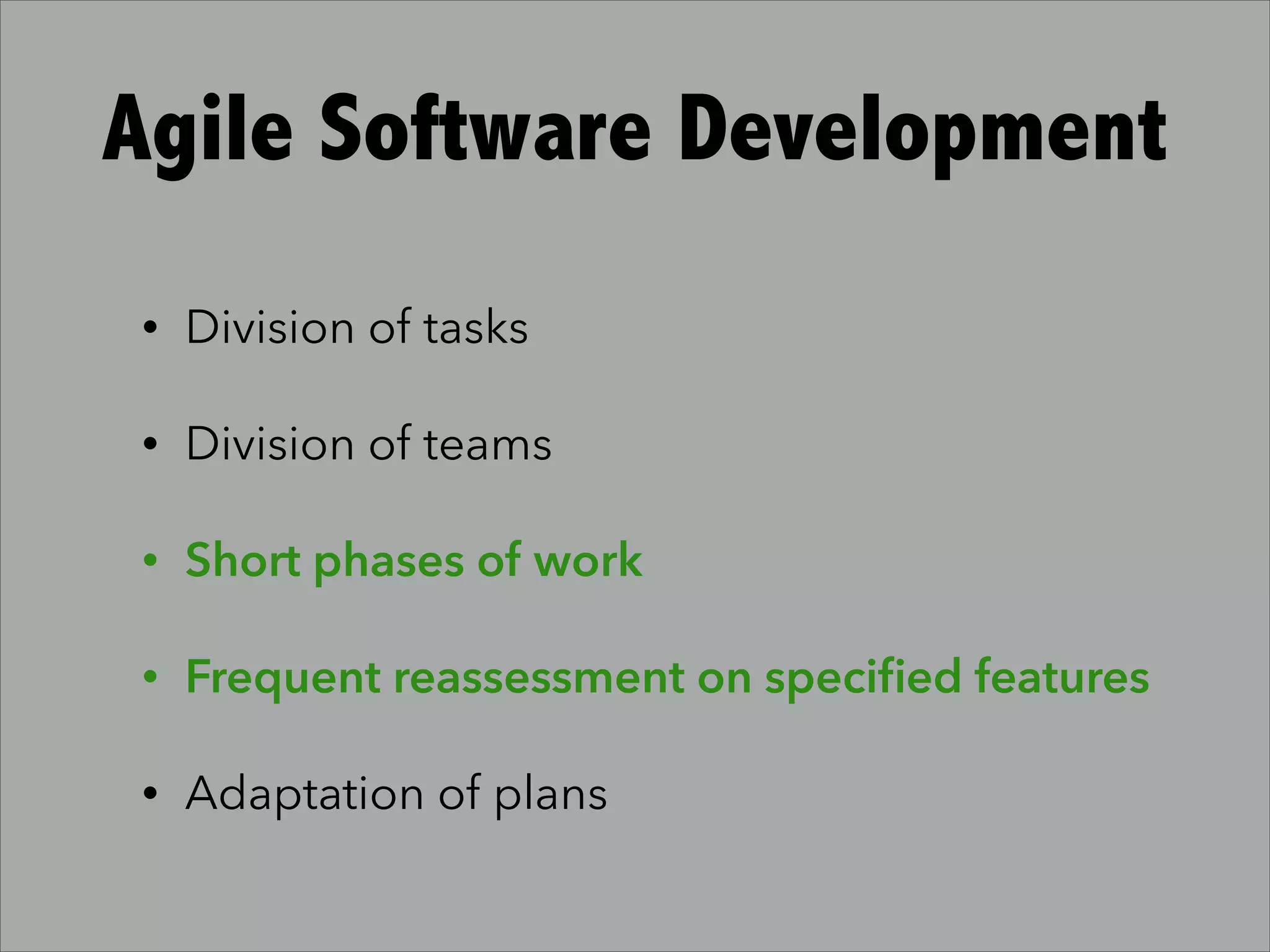
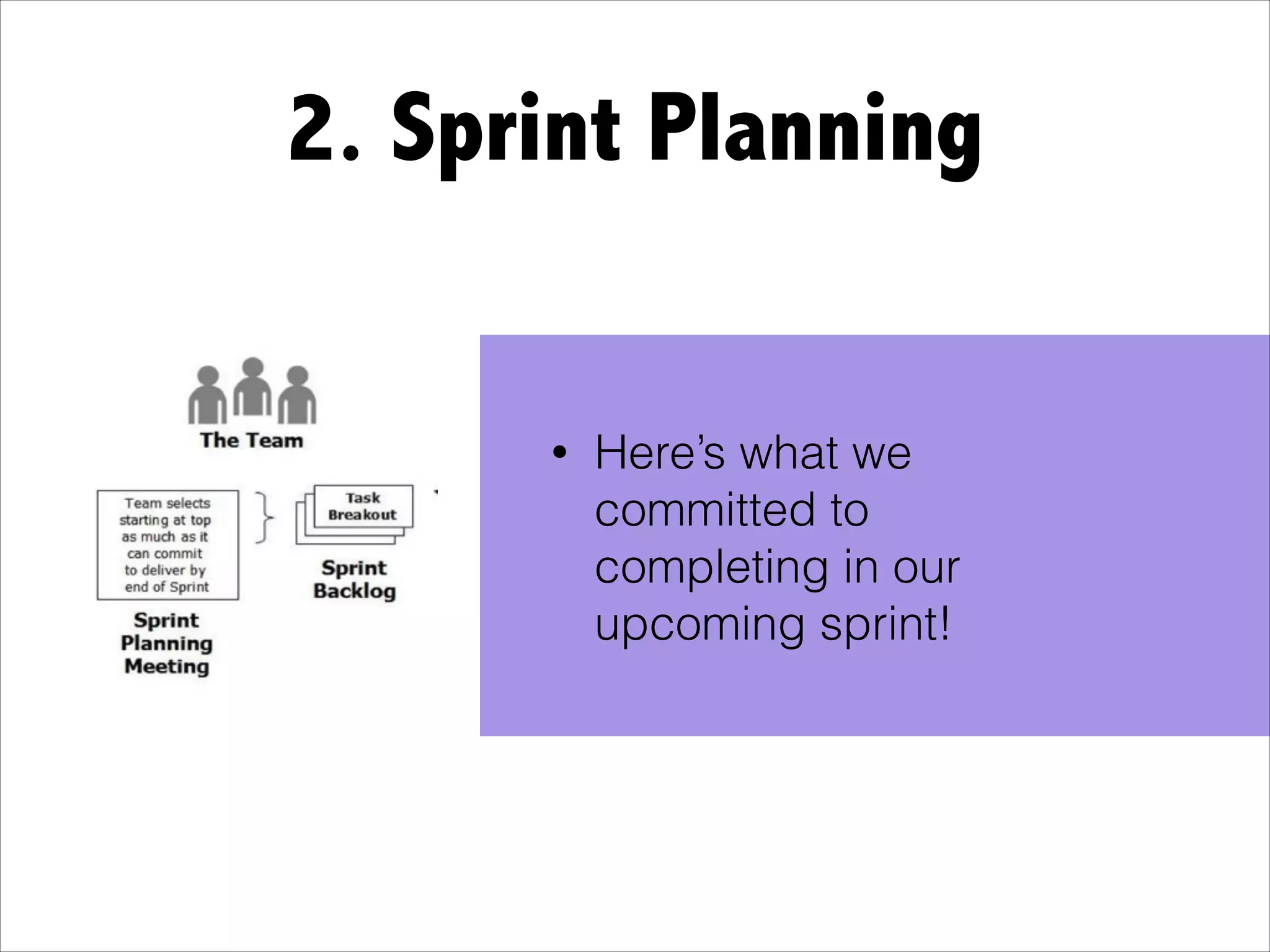
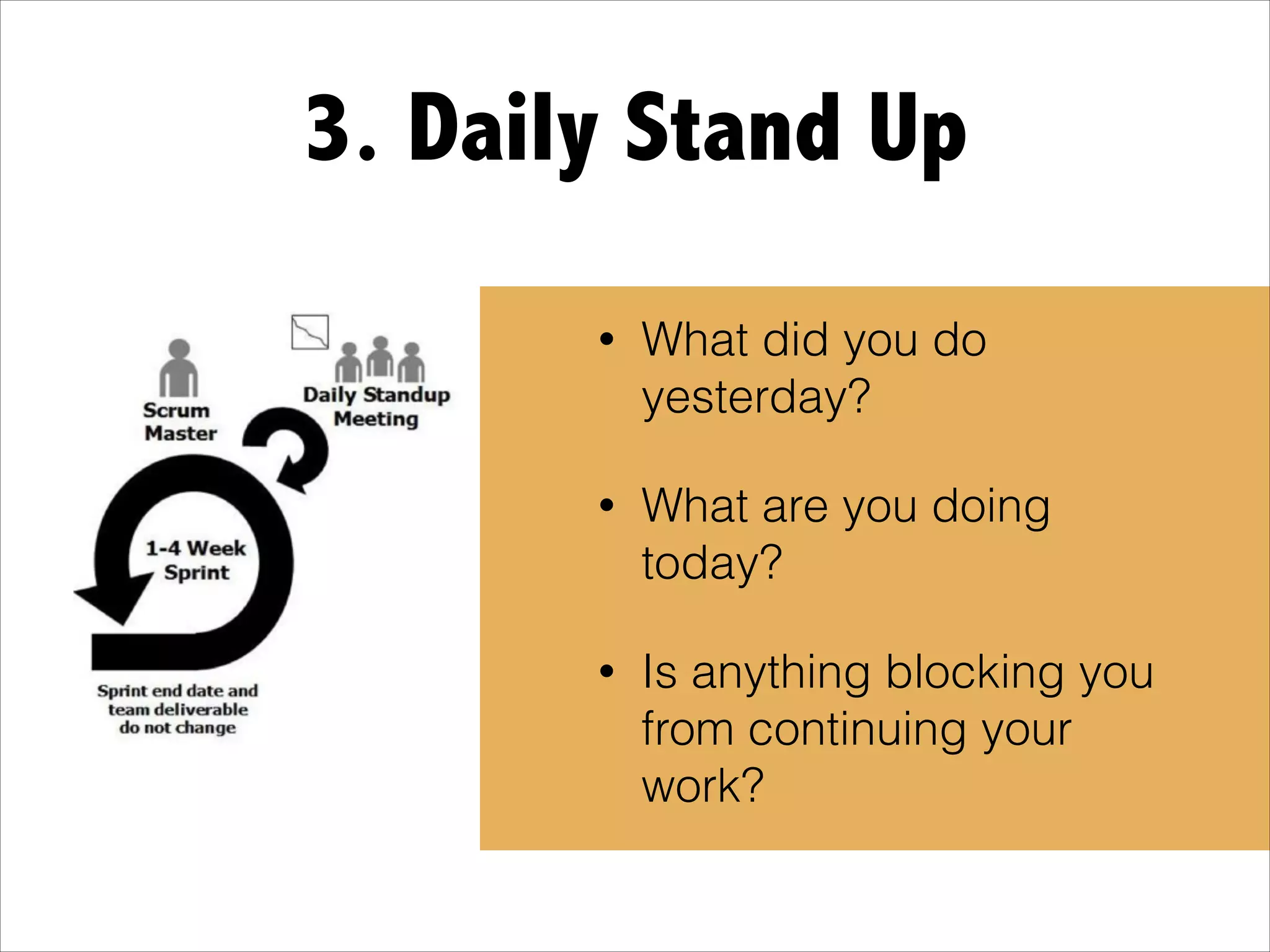
Details on Agile practices such as task division, sprints, daily stand-ups, reviews, and retrospectives for managing projects effectively.
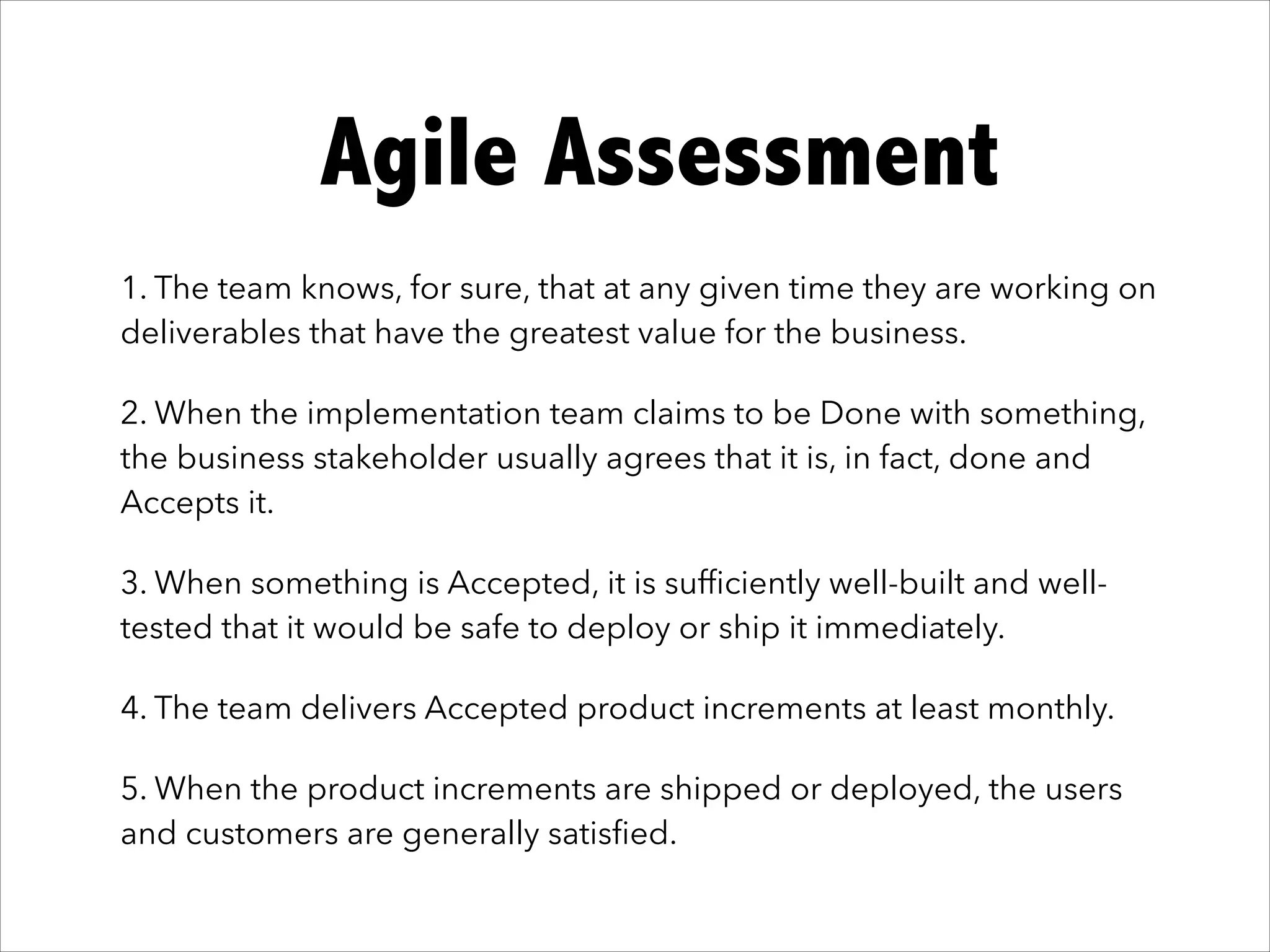
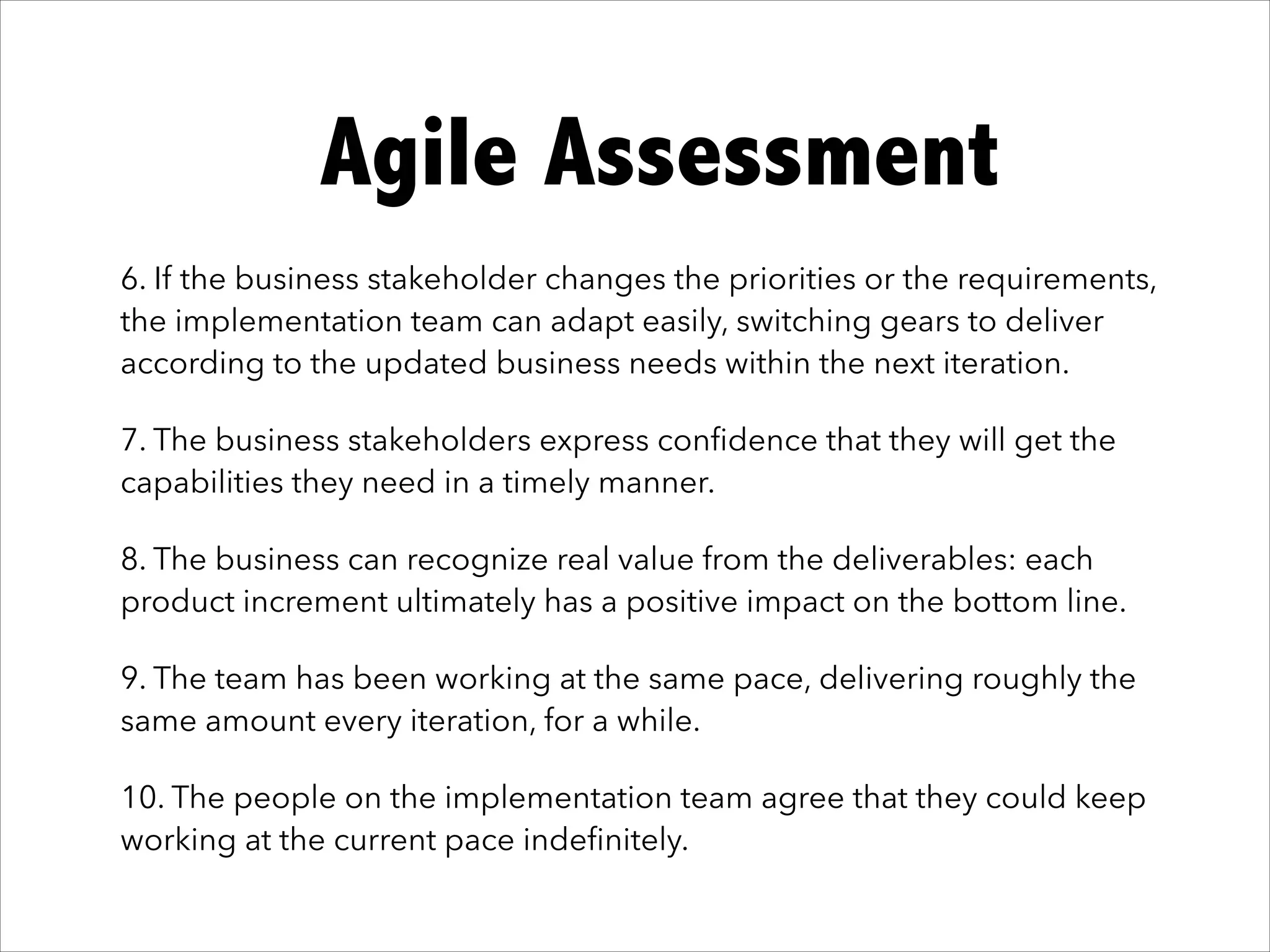
Measures to evaluate the effectiveness of Agile teams in delivering value, responsiveness to change, and stakeholder satisfaction.
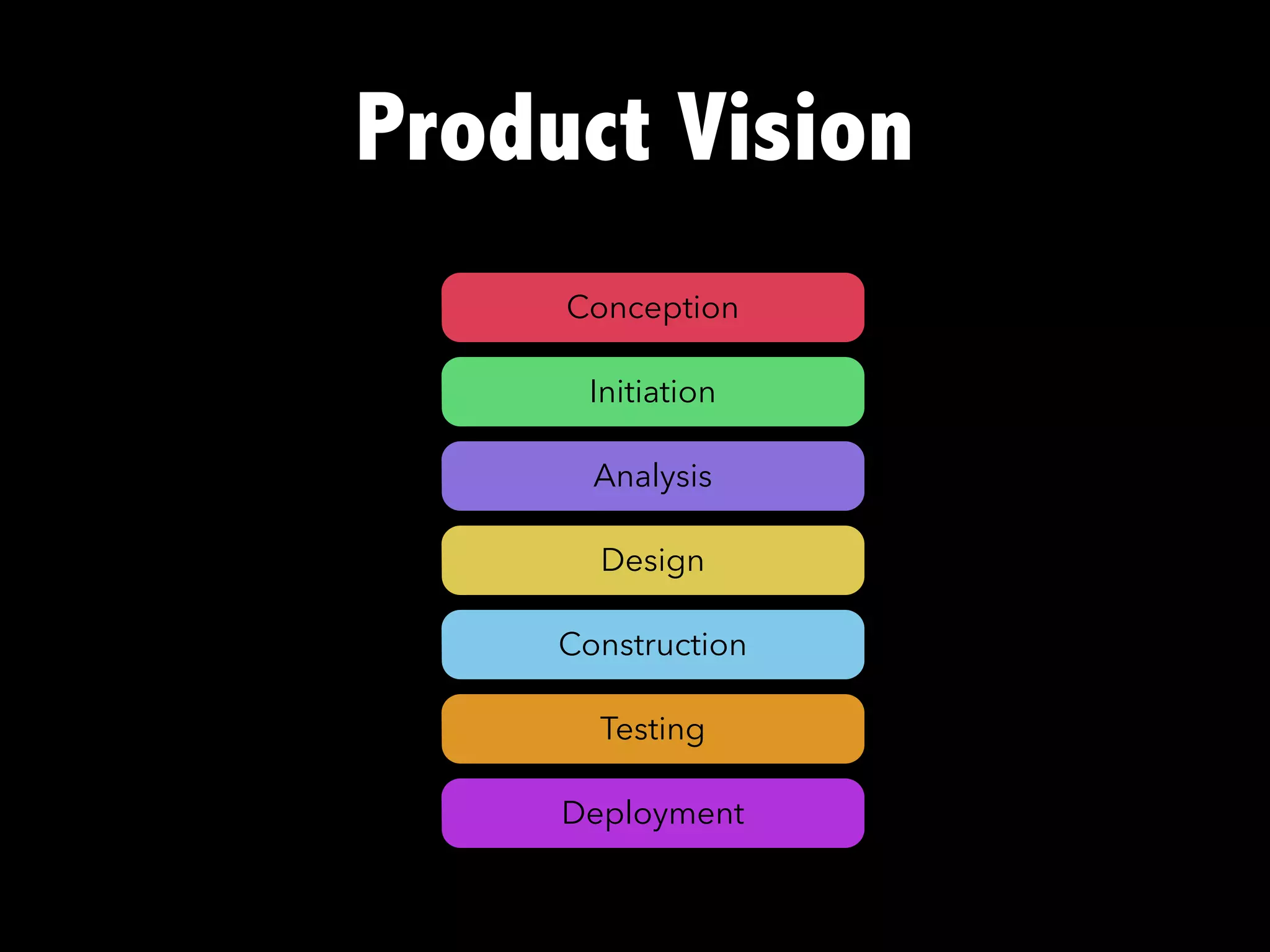
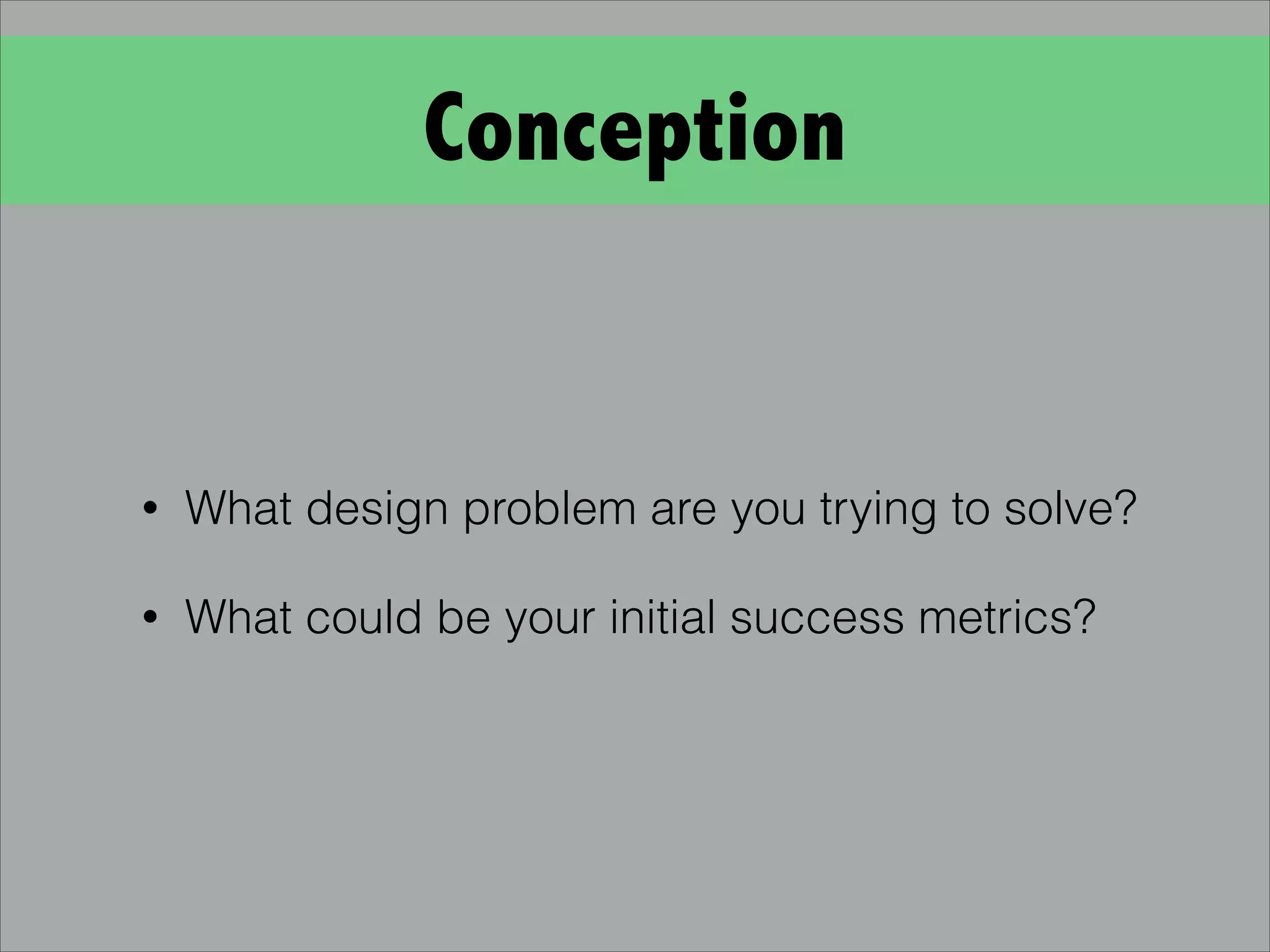
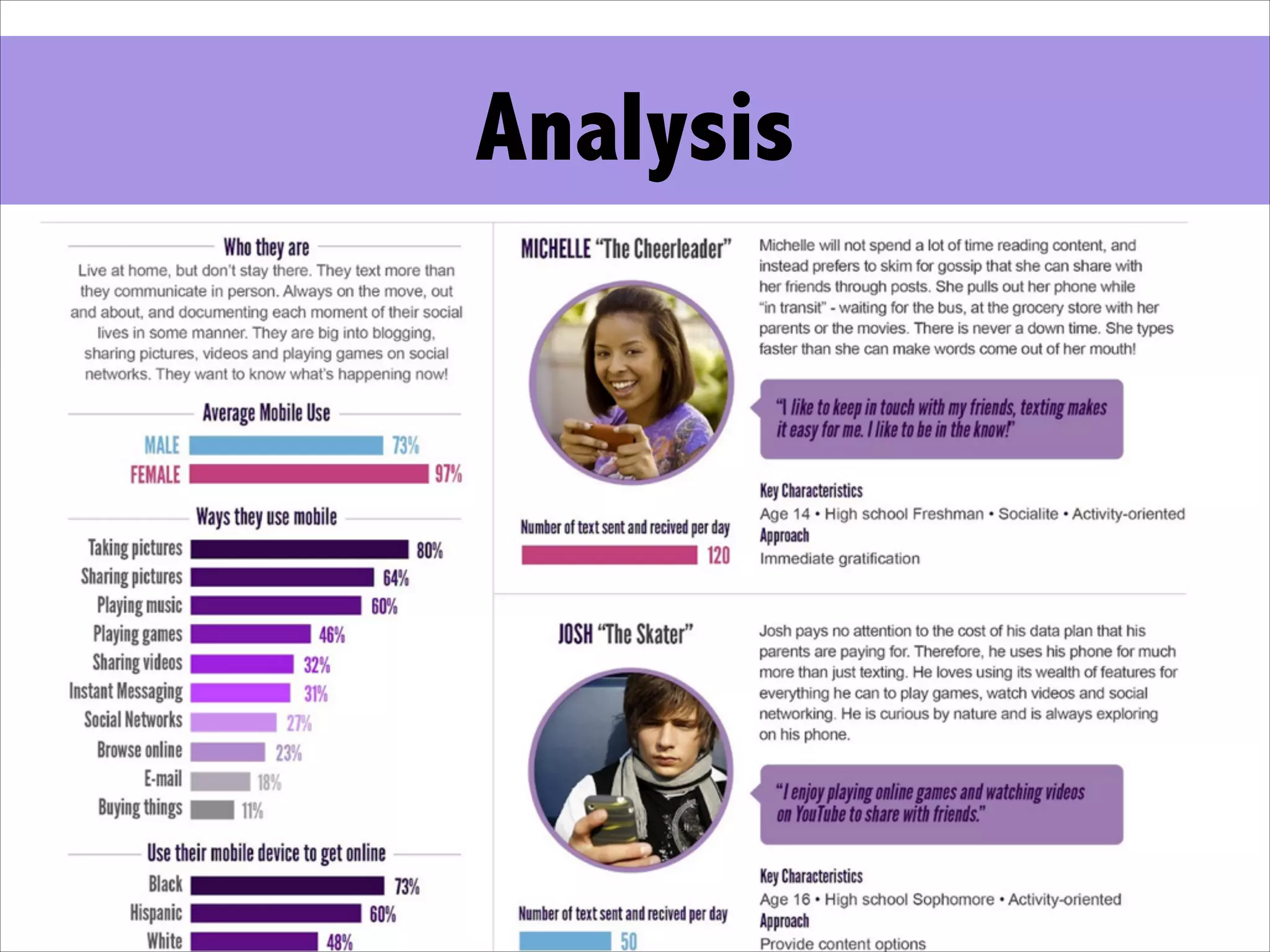
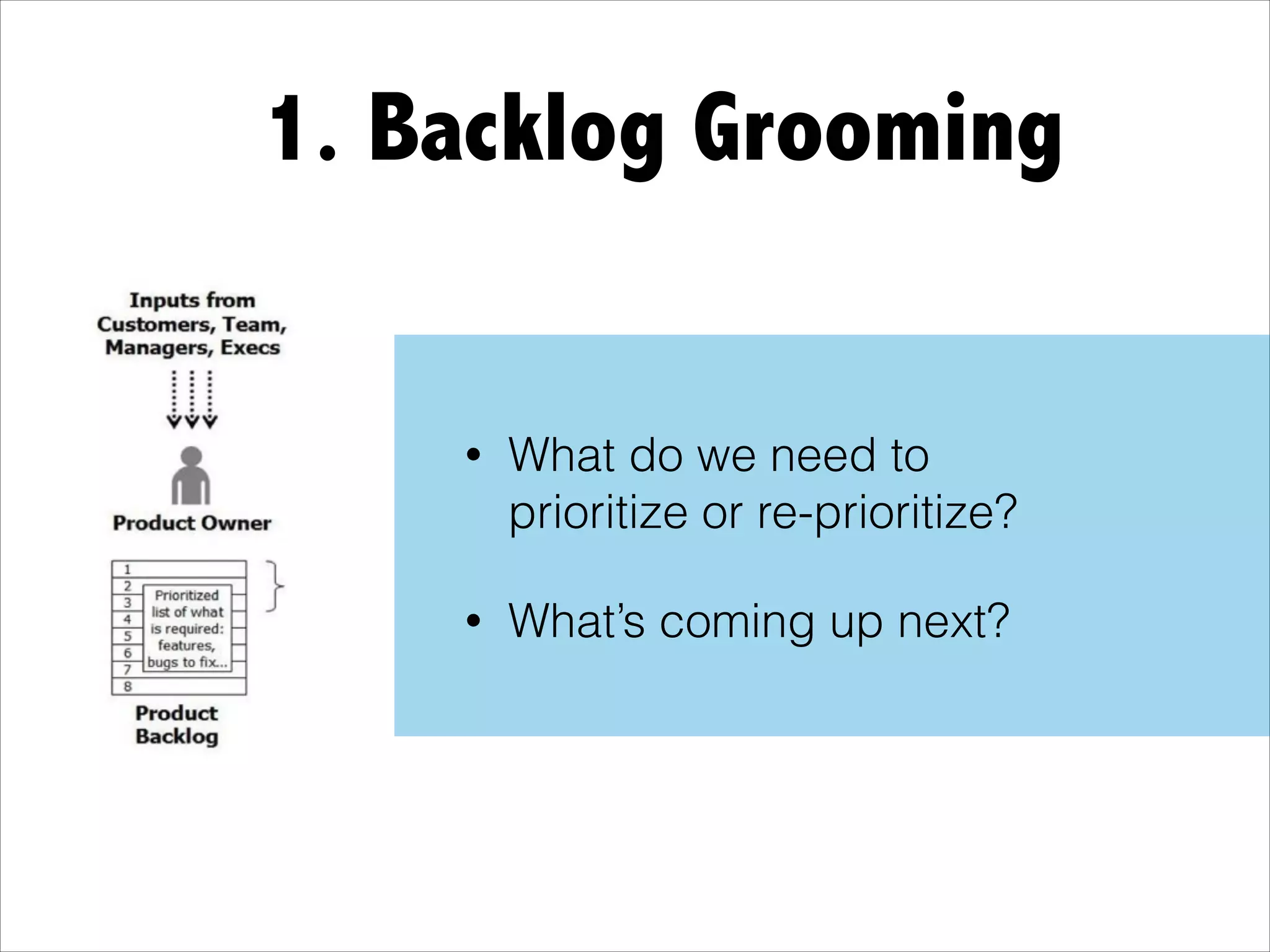
Stages of product conception and analysis, focusing on identifying problems, success metrics, competitive landscape, and market opportunities.
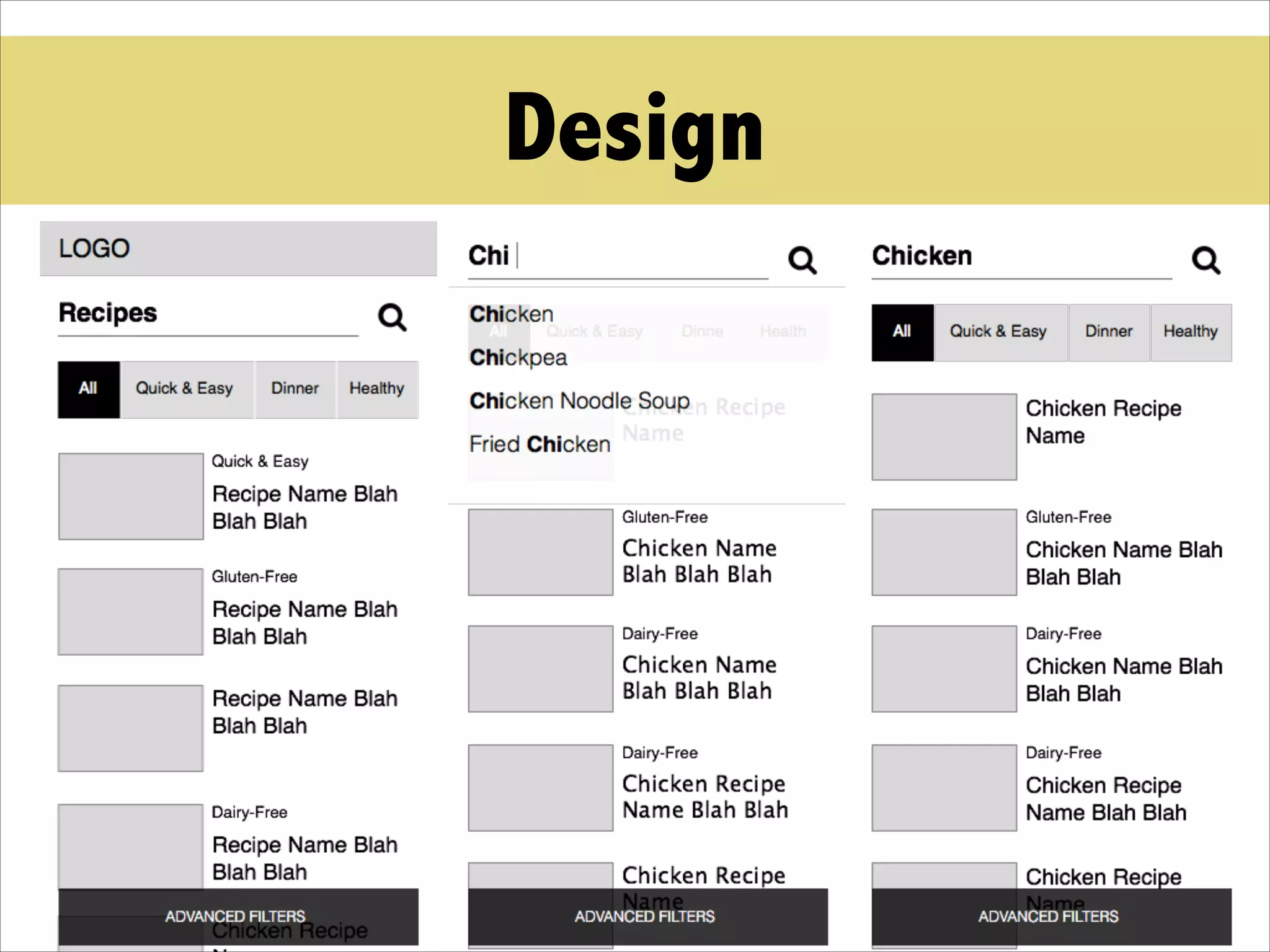
Importance of design processes and crafting user stories within the Agile framework to guide product development.
Details on Agile practices such as task division, sprints, daily stand-ups, reviews, and retrospectives for managing projects effectively.
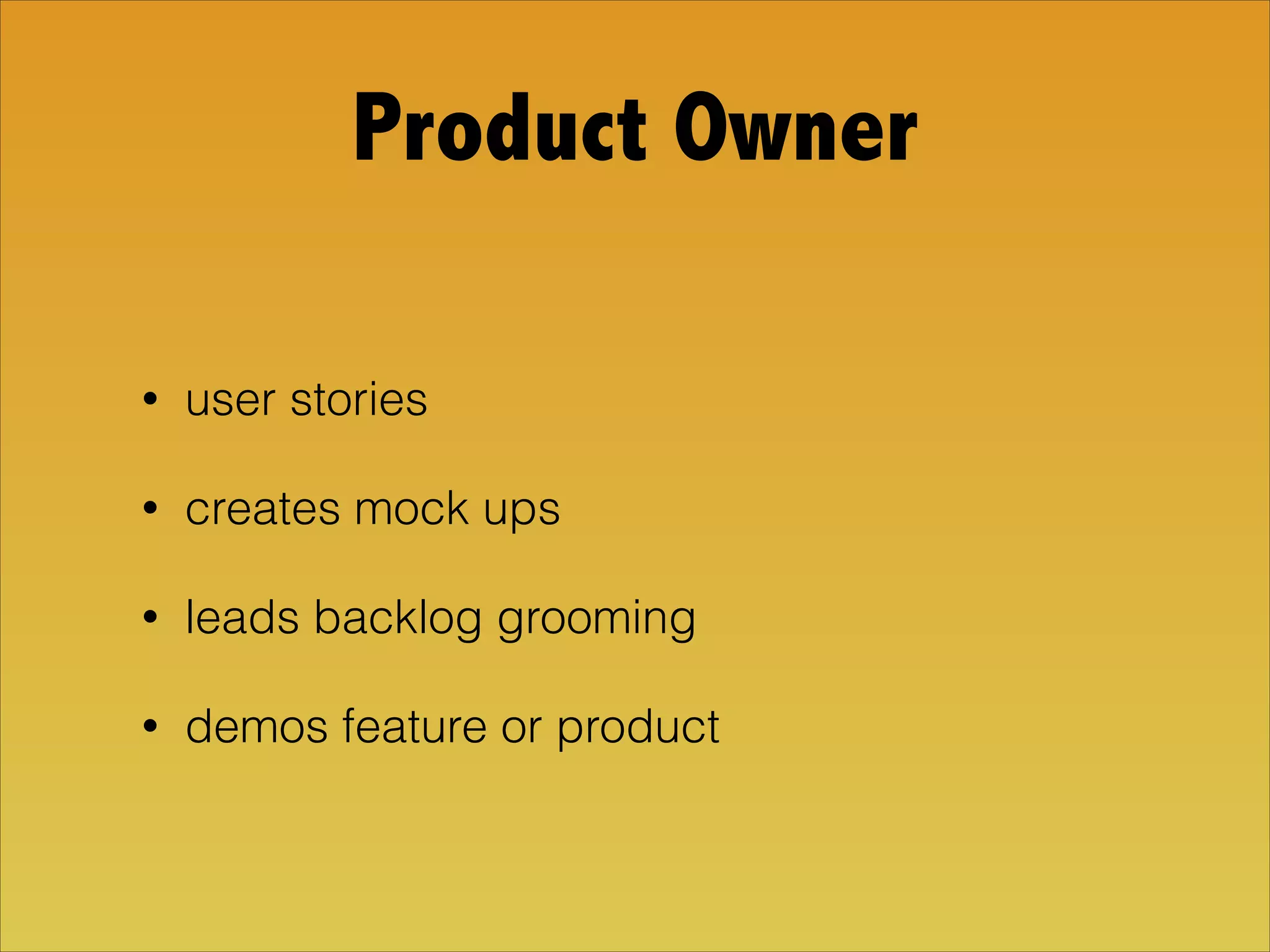
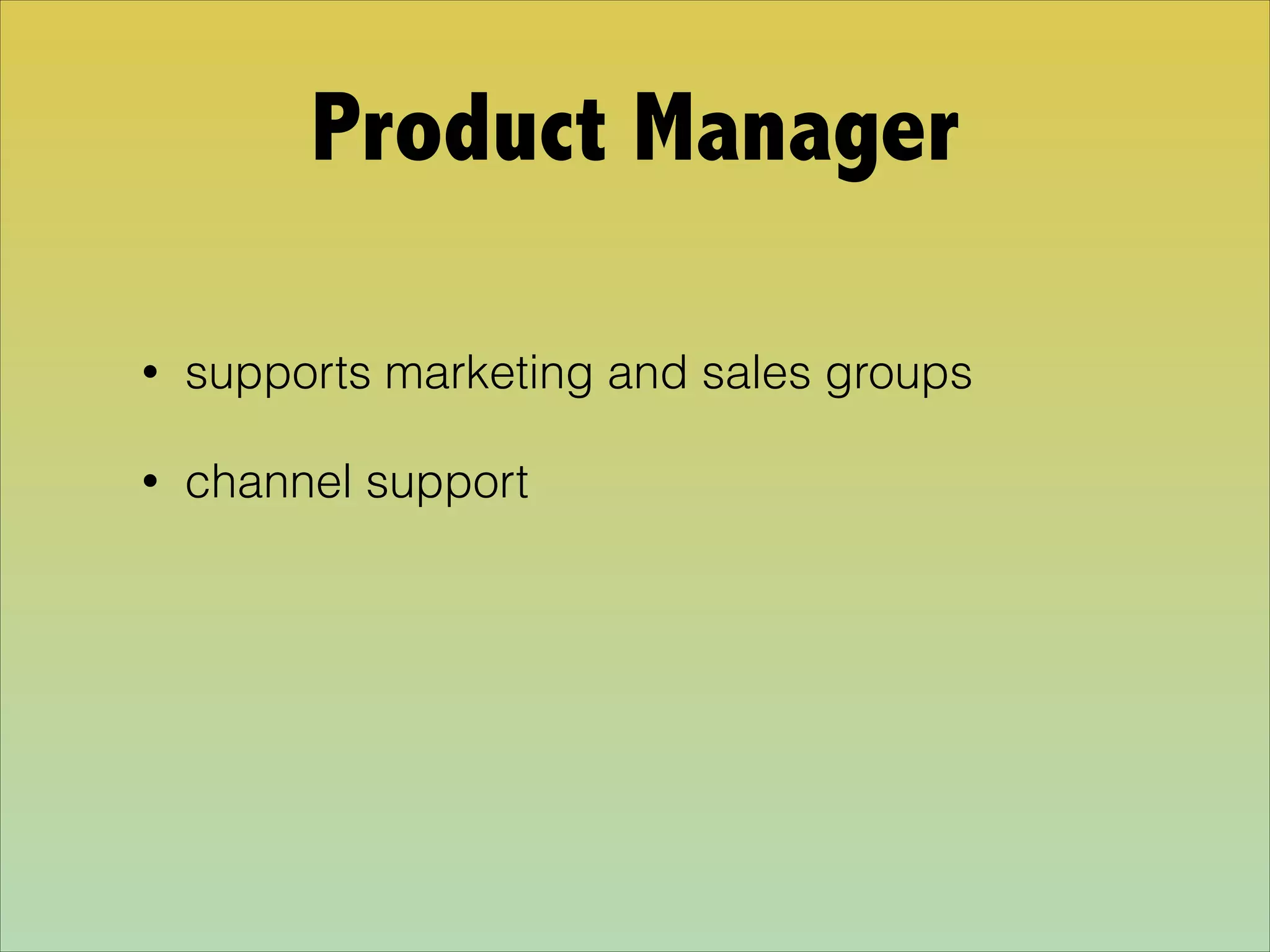
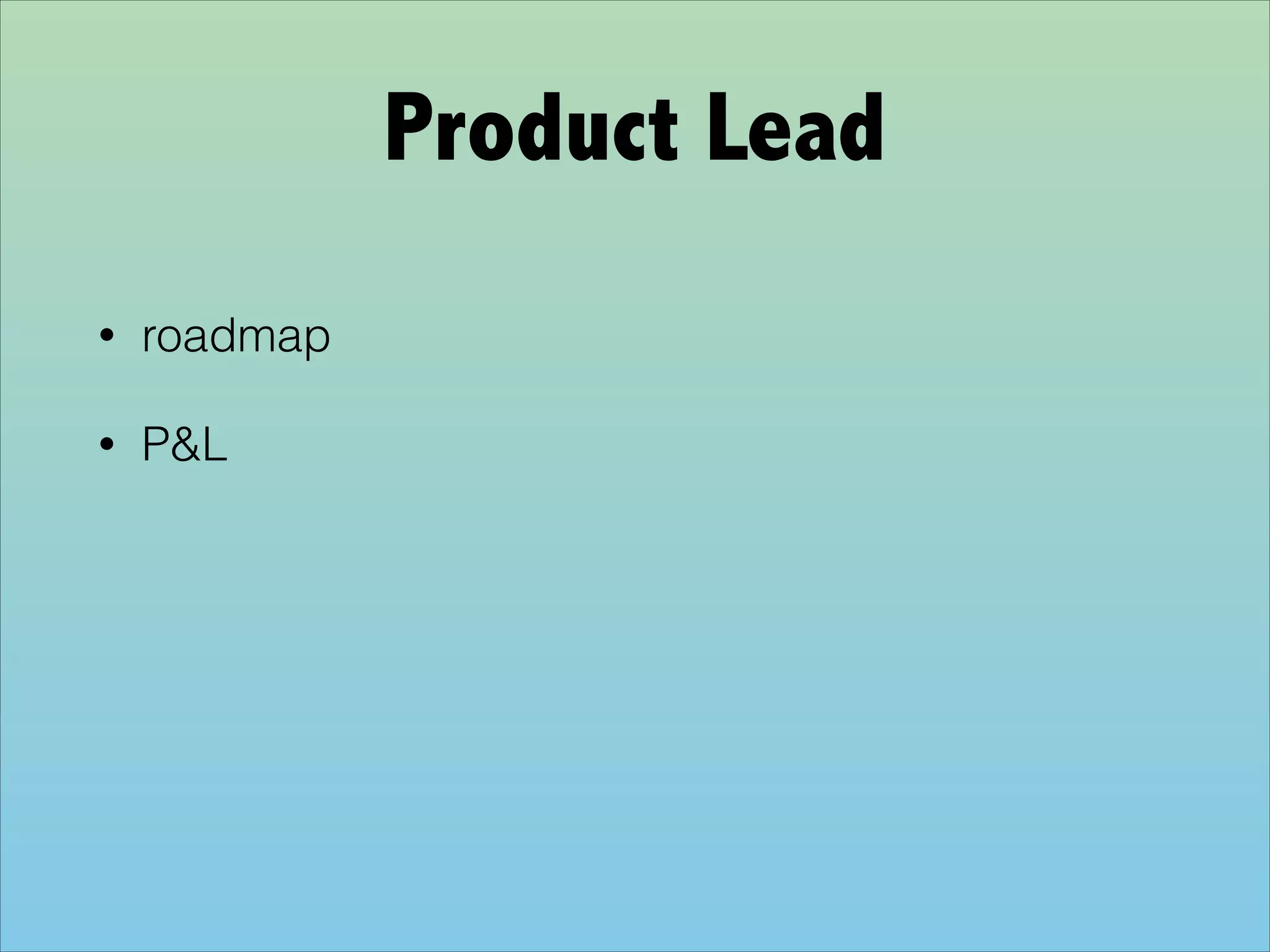
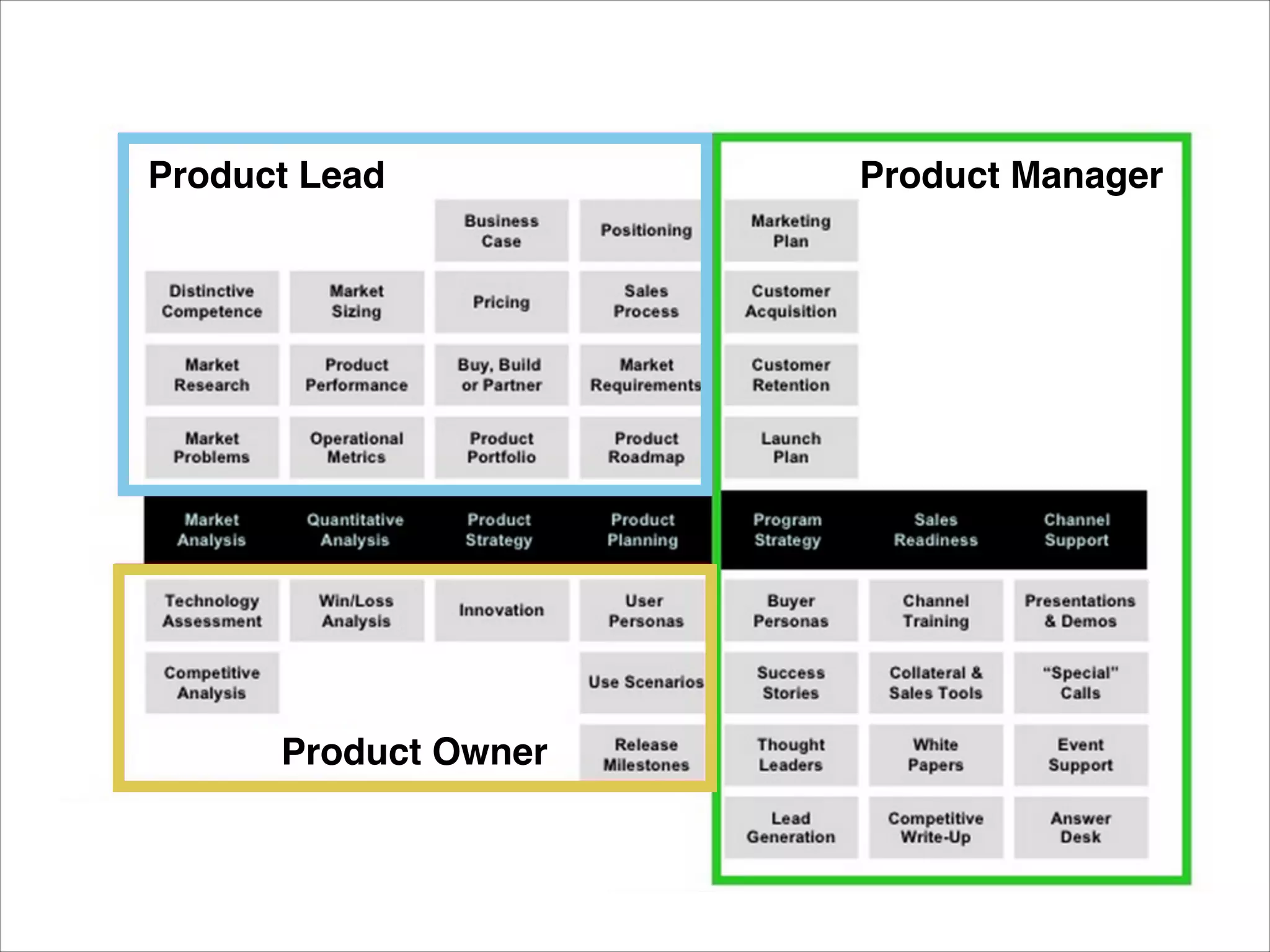
Distinct roles and responsibilities of the Product Owner, Product Manager, and Product Lead within Agile teams.
Attributes that enhance a product manager's effectiveness, spanning empathy, strategy, building, and current trends in product management.
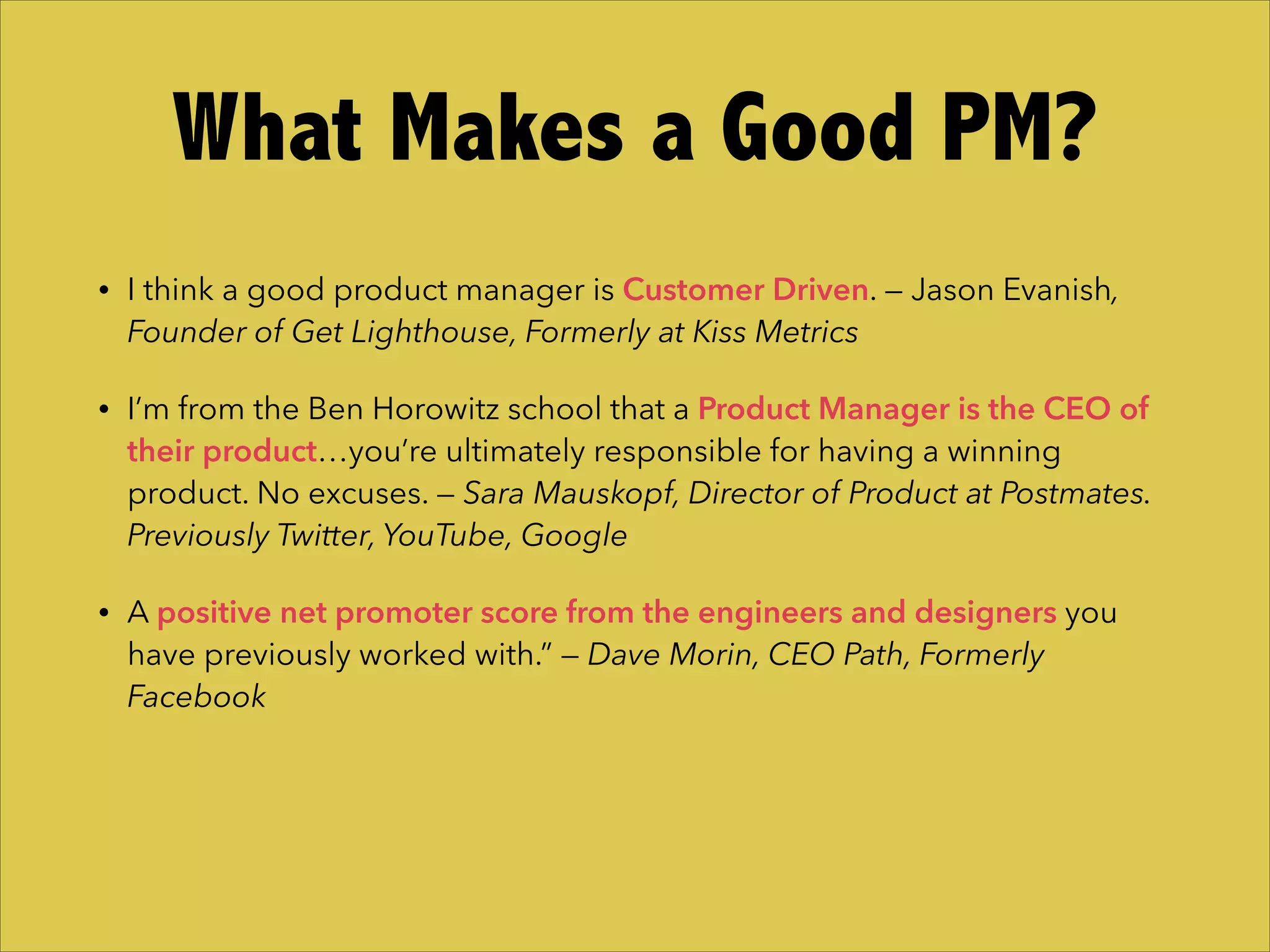
Expert opinions on what constitutes a good product manager, emphasizing customer-driven approaches and accountability.
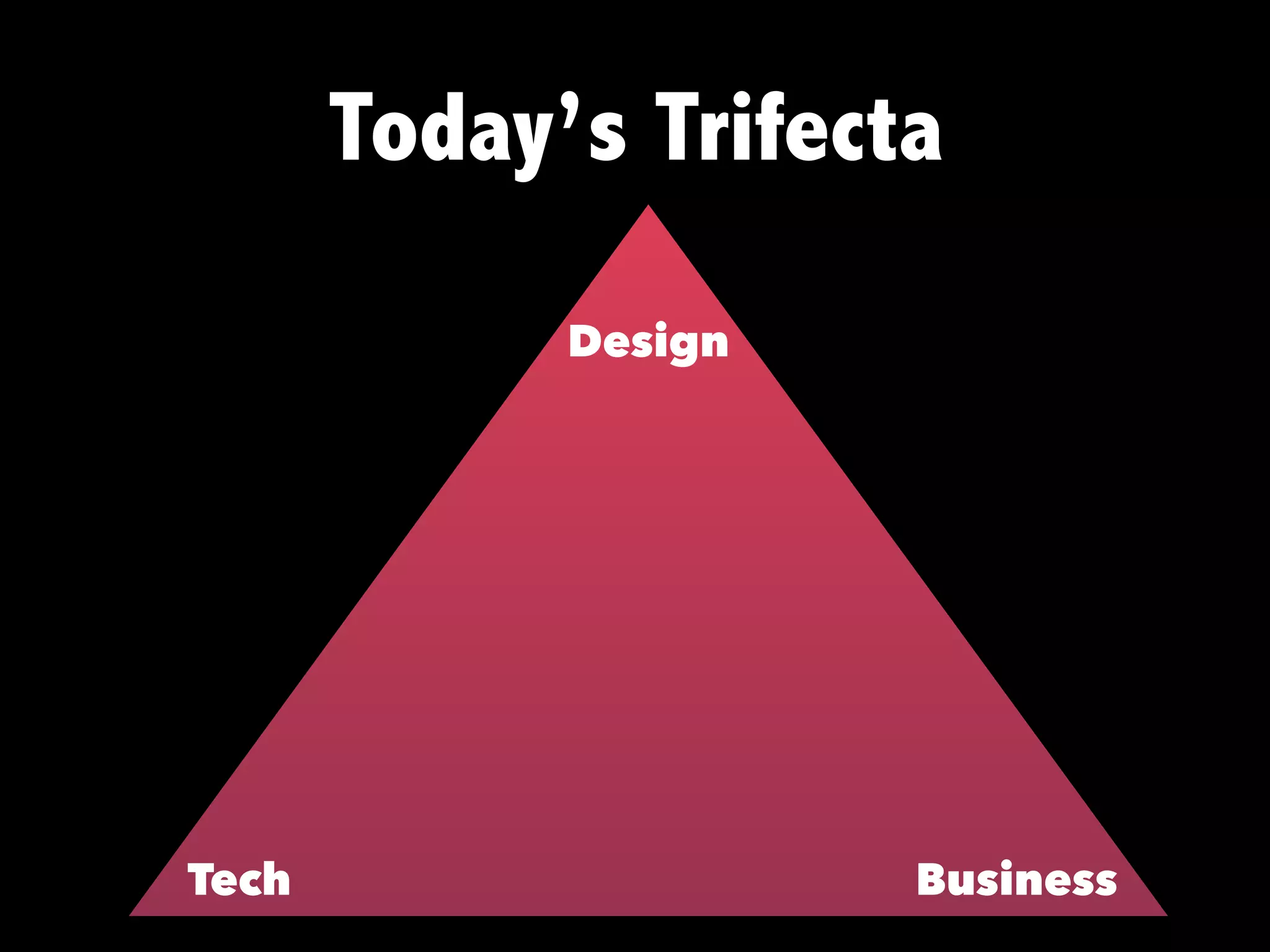
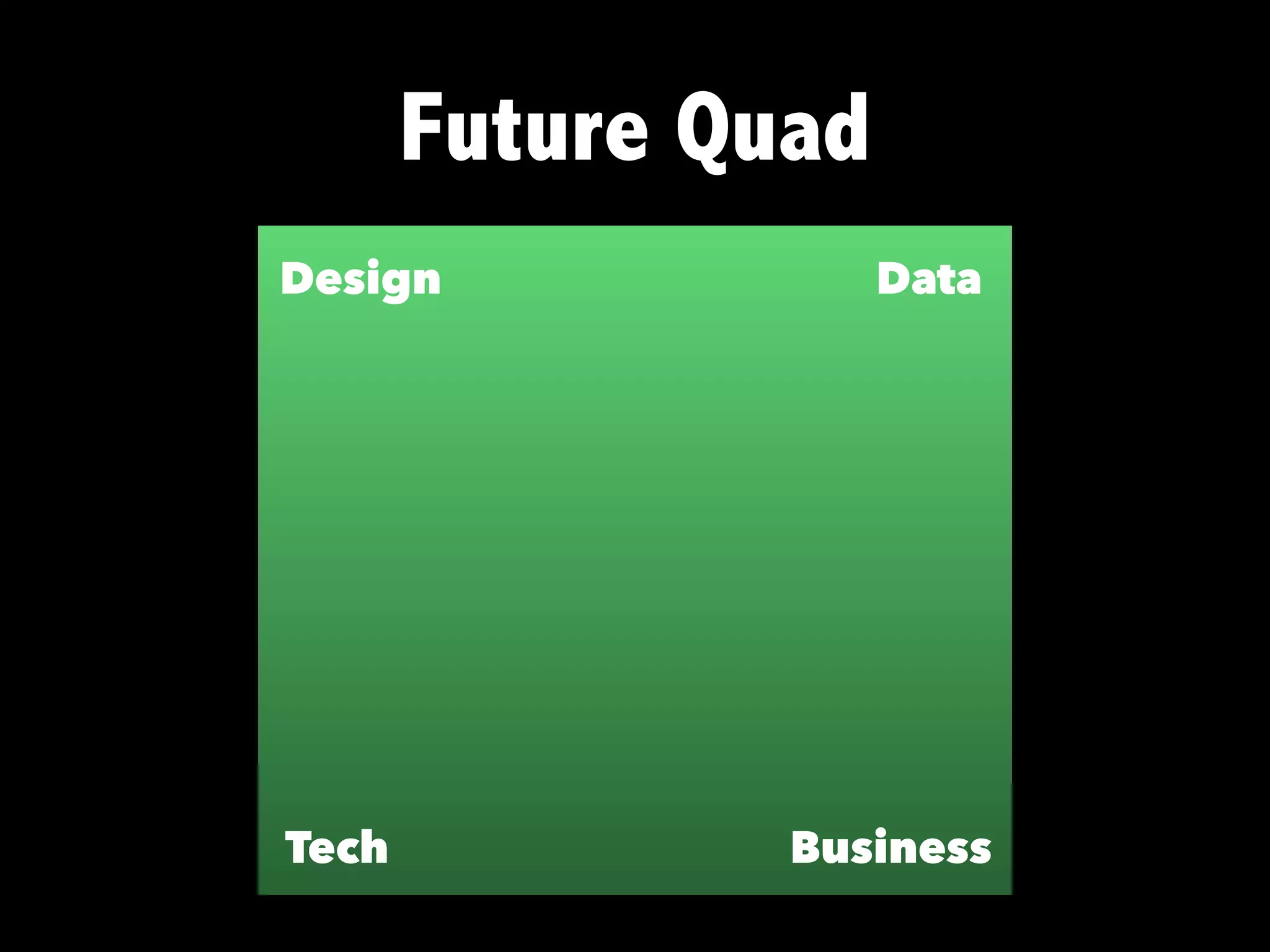
Emerging skills necessary for future product managers focusing on design, technology, business, and data analysis.
Final remarks and contact information from Ambreen Hussain, concluding the presentation.
What I ThriveIn
• Beautifully Designed Products
(that I use)
• Inspiring Co-Workers
• Solving Problems
• Process That Allows For
Innovation & Iteration
• Open and Transparent
Dialogue
Things were slow.
There were so many
layers.
It took forever to start
and approve anything.
PEOPLE.WERE.
ANNOYED.DYING.
LOSING IT.
10.
Agile Manifesto
1. Individualsand interactions over processes
and tools
2. Working software over comprehensive
documentation
3. Customer collaboration over contract
negotiation
4. Responding to change over following a plan
FEATURE 1 FEATURE2 FEATURE 3
FEATURE 3FEATURE 2FEATURE 1
DEPARTMENT 1
DEPARTMENT 2
Agile Team Structure
14.
Agile Team Structure
7(+/- 2) Cross
Functional Team
Members
Product Owner Scrum Master
(Tech Lead)
15.
Agile Software Development
•Division of tasks
• Division of teams
• Short phases of work
• Frequent reassessment on specified features
• Adaptation of plans
It works!Agile Assessment
1.The team knows, for sure, that at any given time they are working on
deliverables that have the greatest value for the business.
2. When the implementation team claims to be Done with something,
the business stakeholder usually agrees that it is, in fact, done and
Accepts it.
3. When something is Accepted, it is sufficiently well-built and well-
tested that it would be safe to deploy or ship it immediately.
4. The team delivers Accepted product increments at least monthly.
5. When the product increments are shipped or deployed, the users
and customers are generally satisfied.
18.
It works!Agile Assessment
6.If the business stakeholder changes the priorities or the requirements,
the implementation team can adapt easily, switching gears to deliver
according to the updated business needs within the next iteration.
7. The business stakeholders express confidence that they will get the
capabilities they need in a timely manner.
8. The business can recognize real value from the deliverables: each
product increment ultimately has a positive impact on the bottom line.
9. The team has been working at the same pace, delivering roughly the
same amount every iteration, for a while.
10. The people on the implementation team agree that they could keep
working at the current pace indefinitely.
Cool.
So what arethe characteristics
that make someone a great
Product Owner / Manager / Lead?
39.
History of ProductManagement
• Branding //
Marketing &
Ethnography Degree
• understand user
needs
• understand where
light sales can be
improved
• be the voice of the
brand
• try new things
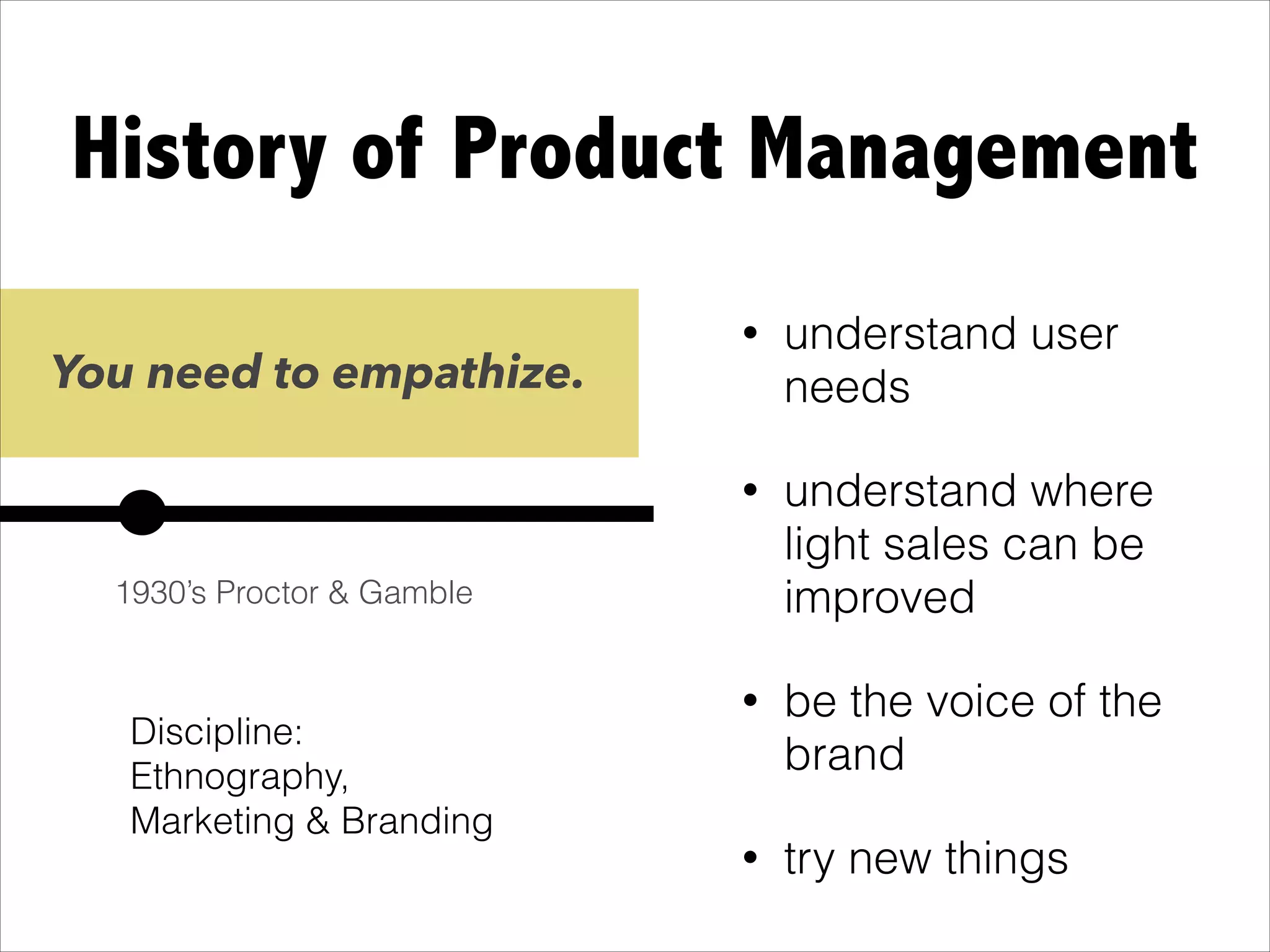
You need to empathize.
1930’s Proctor & Gamble
Discipline:
Ethnography,
Marketing & Branding
40.
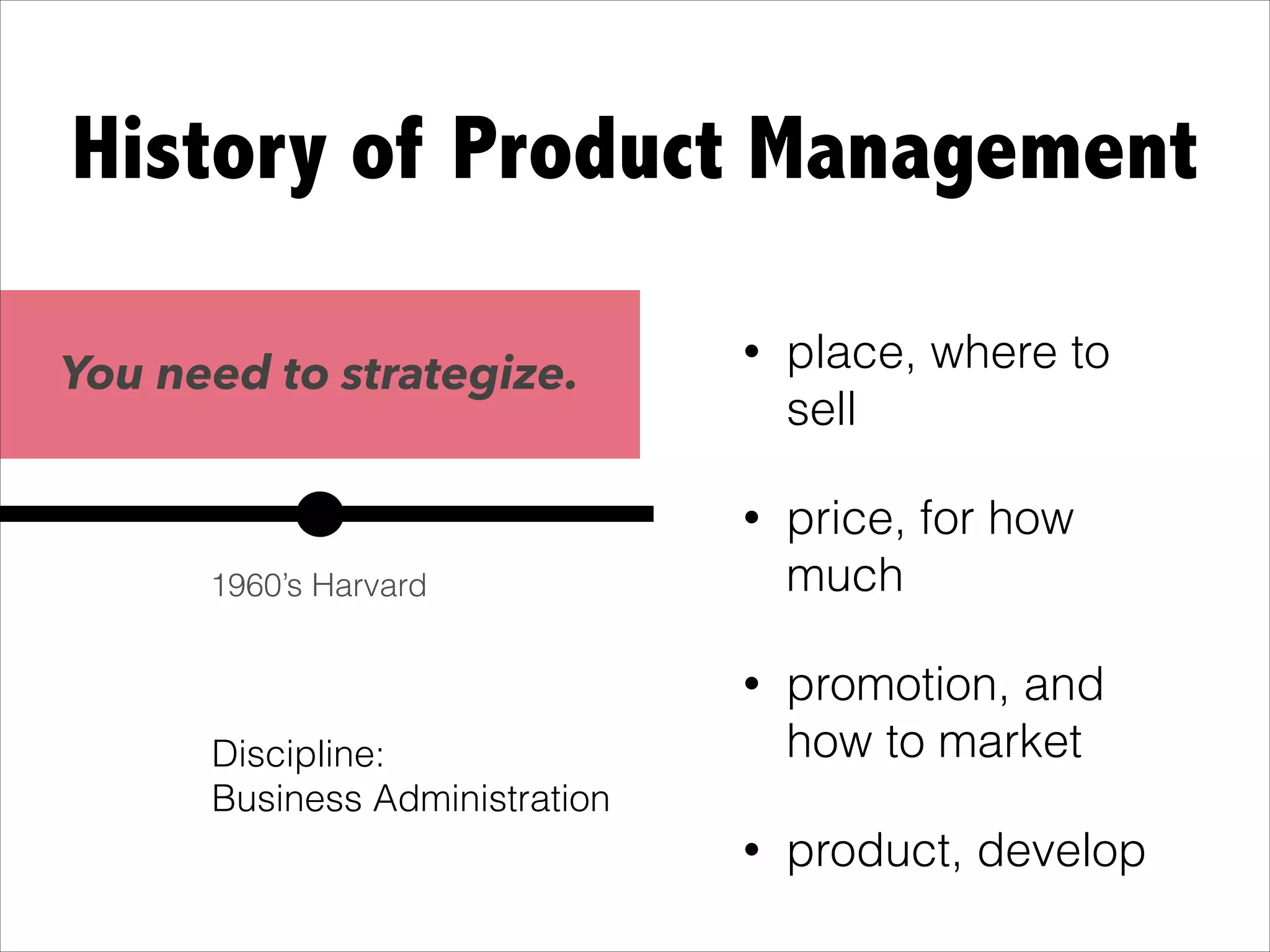
• place, whereto
sell
• price, for how
much
• promotion, and
how to market
• product, develop
History of Product Management
You need to strategize.
1960’s Harvard
Discipline:
Business Administration
41.
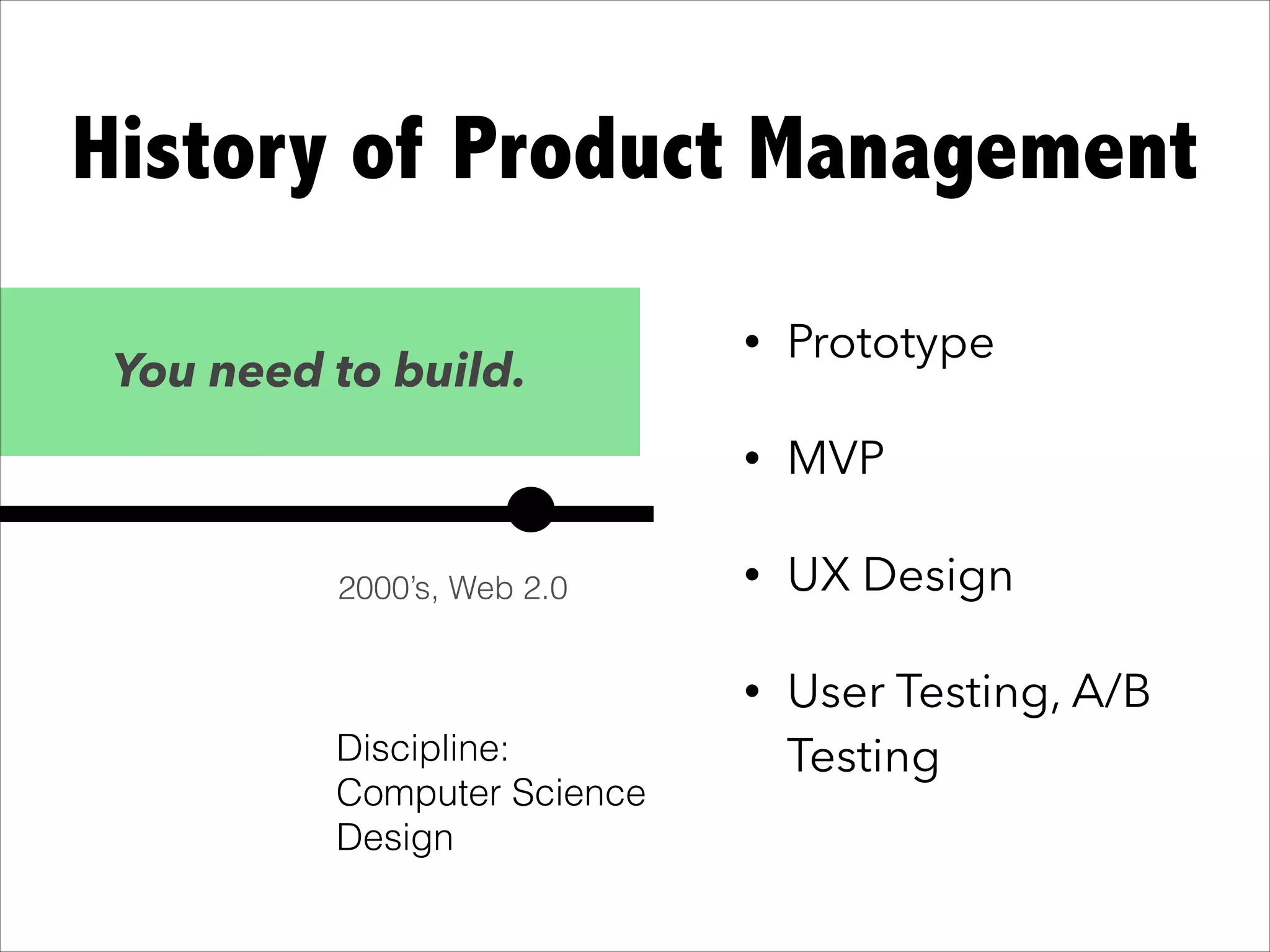
• Prototype
• MVP
•UX Design
• User Testing, A/B
Testing
History of Product Management
You need to build.
2000’s, Web 2.0
Discipline:
Computer Science
Design
• I thinka good product manager is Customer Driven. — Jason Evanish,
Founder of Get Lighthouse, Formerly at Kiss Metrics
• I’m from the Ben Horowitz school that a Product Manager is the CEO of
their product…you’re ultimately responsible for having a winning
product. No excuses. — Sara Mauskopf, Director of Product at Postmates.
Previously Twitter, YouTube, Google
• A positive net promoter score from the engineers and designers you
have previously worked with.” — Dave Morin, CEO Path, Formerly
Facebook
What Makes a Good PM?